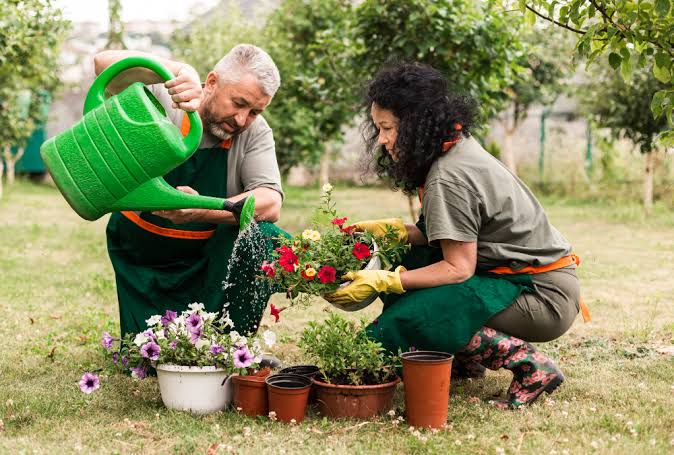
Starting a home garden is one of the most rewarding hobbies you can take up. Whether you have a large backyard, a small balcony, or just a few pots on a windowsill, gardening allows you to grow fresh vegetables, herbs, flowers, and fruits while enjoying the beauty of nature. It also promotes a healthier lifestyle, reduces stress, and contributes to a greener environment.
Why Start a Home Garden?
A home garden offers many benefits beyond providing fresh produce. It encourages physical activity, improves mental well-being, saves money on groceries, and helps reduce your environmental footprint. Gardening is also an excellent activity for families, teaching children responsibility, patience, and the importance of caring for nature.
1. Choose the Right Location
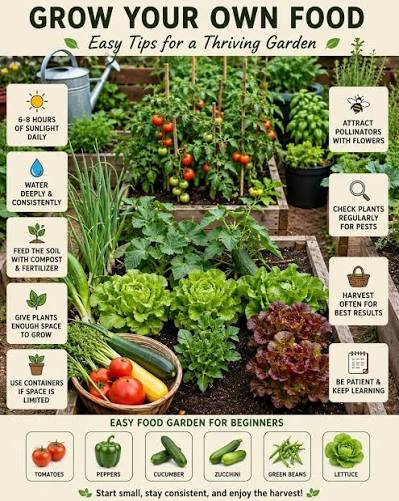
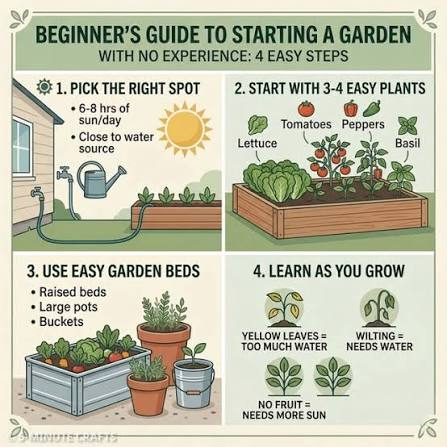
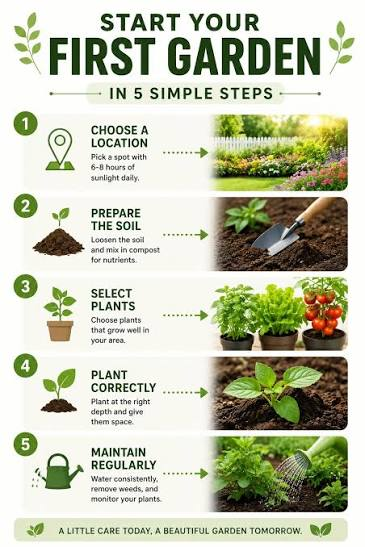
Select a spot that receives at least six to eight hours of sunlight each day. Most vegetables and flowering plants thrive in full sunlight. Make sure the area has good drainage and is easily accessible for watering and maintenance.
2. Start Small
If you’re new to gardening, avoid planting too much at once. Begin with a few easy-to-grow plants and gradually expand your garden as you gain experience. A small garden is easier to maintain and helps you build confidence.
3. Pick Easy-to-Grow Plants
Some beginner-friendly plants include:
- Tomatoes
- Lettuce
- Spinach
- Mint
- Basil
- Coriander
- Green onions
- Marigolds
- Sunflowers
These plants grow quickly and require relatively simple care.
4. Prepare Healthy Soil
Healthy soil is the foundation of a successful garden. Mix compost or organic fertilizer into the soil to improve its nutrients. Rich, loose soil allows roots to grow properly and helps plants stay healthy.
5. Water Wisely
Water plants early in the morning or late in the evening to reduce evaporation. Avoid overwatering, as too much moisture can damage roots and encourage plant diseases. Check the soil before watering to ensure it’s actually dry.
6. Use Quality Seeds or Seedlings
Purchase seeds or young plants from trusted nurseries or garden centers. Healthy seedlings have a better chance of growing into productive plants.
7. Control Weeds Regularly
Remove weeds as soon as they appear. Weeds compete with your plants for sunlight, water, and nutrients, reducing their growth and productivity.
8. Protect Plants from Pests
Inspect your plants regularly for insects or diseases. Natural methods such as neem oil, garlic spray, or introducing beneficial insects like ladybugs can help control pests without harmful chemicals.
9. Feed Plants Properly
Plants need nutrients throughout the growing season. Use organic compost, manure, or balanced fertilizers according to the needs of each plant. Avoid excessive fertilizer, which can damage plants.
10. Be Patient and Keep Learning
Gardening is a continuous learning experience. Some plants may not grow perfectly at first, but every season teaches valuable lessons. Observe your plants, learn from mistakes, and enjoy the process.
Common Mistakes to Avoid
- Planting too many crops at once.
- Watering too frequently.
- Ignoring sunlight requirements.
- Using poor-quality soil.
- Neglecting pest control.
- Giving up after early failures.
Environmental Benefits of Home Gardening
Home gardens improve air quality, support pollinators like bees and butterflies, reduce food transportation emissions, and encourage sustainable living. Growing your own food also reduces the need for excessive packaging and food waste.
Conclusion
Starting a home garden doesn’t require expert knowledge or a large space. With proper planning, quality soil, regular care, and patience, anyone can enjoy growing healthy plants at home. Whether you’re producing fresh vegetables, colorful flowers, or fragrant herbs, gardening is a fulfilling hobby that benefits your health, your family, and the environment.