Food labels provide valuable information that helps consumers make healthier choices and use food safely. Understanding nutritional facts, ingredient lists, and expiration dates can reduce food waste, improve nutrition, and protect people from foodborne illnesses.
Reading Nutrition Labels
Nutrition labels show important information such as calories, protein, carbohydrates, fats, vitamins, and minerals. By comparing labels, consumers can select foods that better meet their dietary needs and avoid excessive amounts of sugar, sodium, or unhealthy fats.
Checking the Ingredient List
Ingredients are listed in order of quantity, with the largest amount appearing first. Shorter ingredient lists with recognizable foods often indicate less processed products. Consumers should also watch for allergens and added sugars when selecting packaged foods.
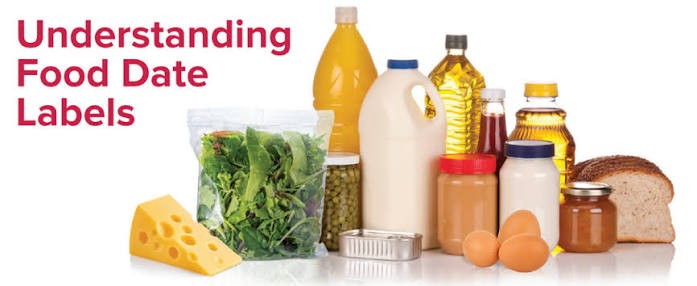
Understanding Date Labels
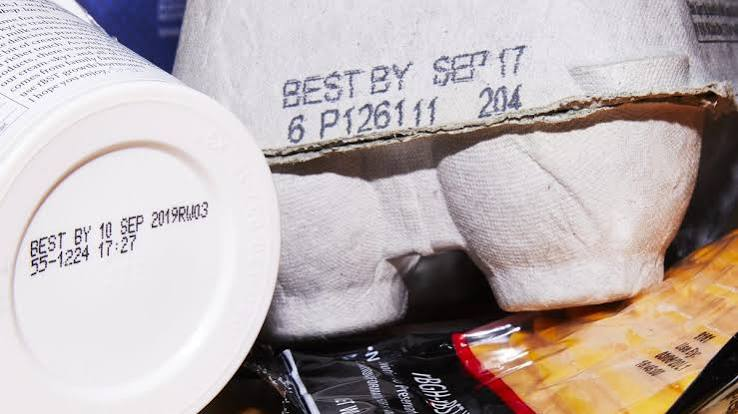
Many people misunderstand food date labels. Here are some common terms:
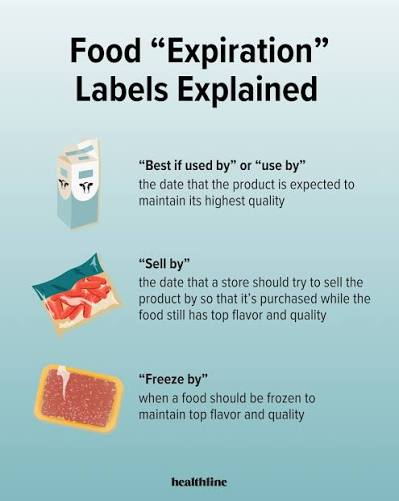
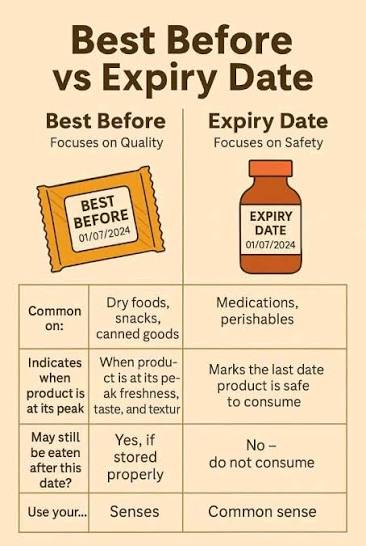
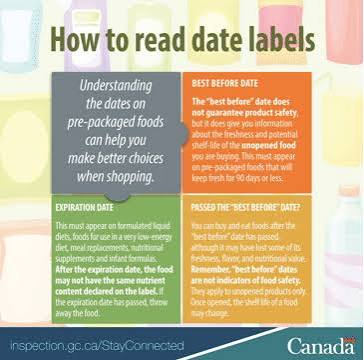
- Best Before: Indicates when the product is expected to maintain its best quality. Food may still be safe after this date if stored properly.
- Use By: Refers to food safety. Perishable foods should generally not be consumed after this date.
- Sell By: Helps retailers manage inventory and does not necessarily indicate that food is unsafe after the date.
Proper Food Storage
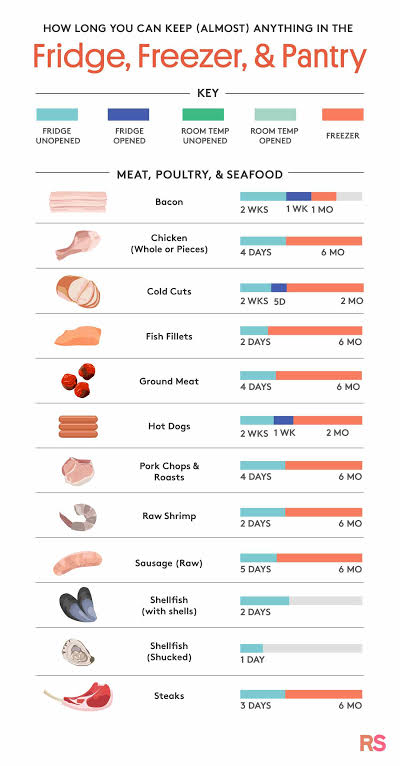
Correct storage is just as important as reading labels. Refrigerating perishable foods, freezing items when necessary, and storing dry foods in cool, dry places can significantly extend freshness and reduce waste.
Benefits of Understanding Labels
Consumers who understand food labels can make healthier purchasing decisions, avoid allergens, reduce unnecessary food waste, and better manage household food expenses.
Conclusion
Food labels and expiration dates are practical tools that promote healthy eating and food safety. By learning how to interpret them correctly, consumers can make informed choices that benefit both their health and the environment.