Introduction
In today’s fast-paced world, intelligence alone is not enough to guarantee success. Emotional Intelligence (EI), often called Emotional Quotient (EQ), is the ability to understand, manage, and express emotions effectively while also recognizing and responding to the emotions of others. Emotional intelligence plays a crucial role in relationships, education, leadership, and workplace success.
What Is Emotional Intelligence?
Emotional intelligence involves several key abilities:
- Self-awareness – Understanding one’s own emotions.
- Self-regulation – Managing emotions and reactions.
- Motivation – Staying driven toward goals.
- Empathy – Understanding the feelings of others.
- Social skills – Building healthy relationships.
Why Emotional Intelligence Is Important
1. Improves Relationships
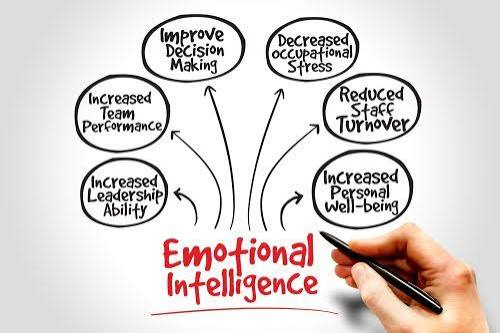
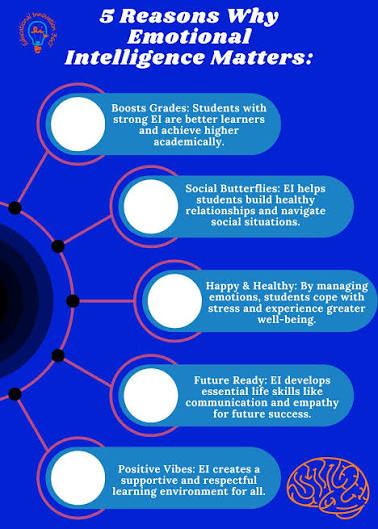
People with high emotional intelligence communicate better, listen carefully, and resolve conflicts more effectively. This leads to stronger friendships, family relationships, and professional connections.
2. Enhances Leadership
Great leaders understand and motivate others. Emotional intelligence helps leaders inspire teams, manage stress, and create positive work environments.
3. Supports Academic and Career Success
Students and professionals with strong emotional intelligence often perform better because they can manage pressure, stay motivated, and work well with others.
4. Helps Manage Stress
Emotionally intelligent individuals are better at coping with challenges and setbacks. They can remain calm during difficult situations and make thoughtful decisions.
5. Encourages Better Decision-Making
Understanding emotions helps people avoid impulsive reactions and make more balanced, rational choices.
Signs of High Emotional Intelligence
- Good listening skills
- Ability to stay calm under pressure
- Empathy toward others
- Willingness to accept feedback
- Strong teamwork and communication skills
- Ability to resolve conflicts peacefully
How to Improve Emotional Intelligence
- Practice self-reflection.
- Pay attention to emotions.
- Listen actively to others.
- Develop empathy.
- Manage stress through healthy habits.
- Learn from feedback and experiences.
Conclusion
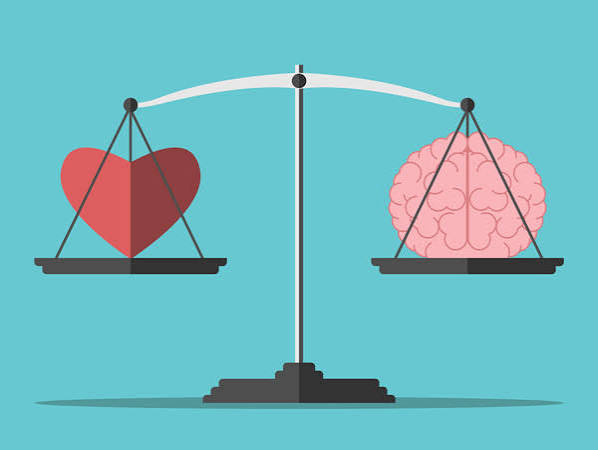
Emotional intelligence is a powerful skill that influences nearly every aspect of life. It helps people build stronger relationships, become better leaders, manage stress, and make wiser decisions. While academic knowledge is important, the ability to understand and manage emotions often determines long-term success and happiness. By developing emotional intelligence, individuals can improve both their personal and professional lives.
#EmotionalIntelligence #EQ #Leadership #Communication #SelfAwareness #Empathy #MentalWellBeing #PersonalGrowth #Success #Relationships