Introduction
Climate change is one of the most pressing global challenges of the 21st century. Rising temperatures, extreme weather events, melting glaciers, sea-level rise, and biodiversity loss are affecting countries across the world. Since climate change does not recognize national borders, no single country can solve this problem alone. International cooperation is essential to reduce greenhouse gas emissions, protect ecosystems, and build a sustainable future for generations to come.
Understanding Climate Change
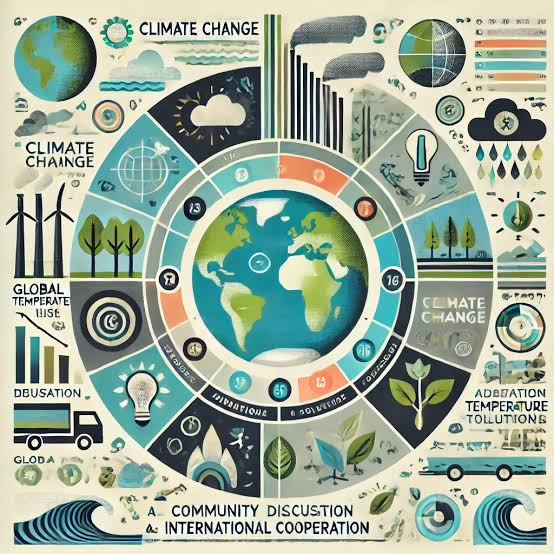
Climate change refers to long-term changes in Earth’s climate, primarily caused by human activities such as burning fossil fuels, deforestation, and industrial emissions. These activities increase the concentration of greenhouse gases in the atmosphere, trapping heat and warming the planet.
The effects of climate change include stronger storms, prolonged droughts, floods, heatwaves, changing rainfall patterns, and threats to food and water security. These impacts affect both developed and developing countries, although vulnerable communities often face the greatest risks.
Why International Cooperation Matters
Climate change is a global issue that requires a global response. Countries must work together to reduce emissions, share scientific knowledge, develop clean technologies, and support nations that are most affected by climate-related disasters.
International cooperation allows governments to establish common environmental goals, exchange innovative solutions, and coordinate efforts to protect forests, oceans, and biodiversity. Wealthier nations can also provide financial and technical assistance to developing countries as they transition to cleaner energy systems and strengthen their climate resilience.
Strategies for Global Climate Action
Governments can promote renewable energy sources such as solar, wind, and hydropower while reducing dependence on fossil fuels. Investing in energy-efficient infrastructure, expanding public transportation, and encouraging sustainable agriculture can significantly reduce carbon emissions.
International research partnerships accelerate the development of clean technologies and improve climate forecasting. Public awareness campaigns and environmental education also encourage individuals and communities to adopt sustainable lifestyles.
The Role of Individuals and Communities
While governments play a leading role, individuals and communities are equally important. Conserving energy, reducing waste, recycling, planting trees, and supporting environmentally responsible businesses all contribute to climate action. Community involvement strengthens national and global efforts to protect the environment.
Conclusion
Climate change is a shared challenge that demands collective action. Through international cooperation, technological innovation, and responsible environmental practices, countries can reduce climate risks and build a healthier, more sustainable world. Working together today will help protect people, ecosystems, and future generations from the growing impacts of climate change.