Introduction
In today’s digital world, personal information is constantly being collected, stored, and shared through websites, mobile applications, online shopping platforms, social media, and cloud services. While digital technologies have made communication and access to information easier than ever, they have also increased the importance of protecting personal data. Data privacy has become a fundamental issue for individuals, businesses, and governments, making it essential to safeguard sensitive information from misuse and unauthorized access.
What Is Data Privacy?
Data privacy refers to the protection of personal information and the right of individuals to control how their data is collected, used, stored, and shared. Personal data includes names, addresses, phone numbers, email addresses, financial details, medical records, and online browsing activity.
Organizations that collect personal information have a responsibility to handle it securely and transparently while respecting users’ privacy rights.
Why Data Privacy Matters
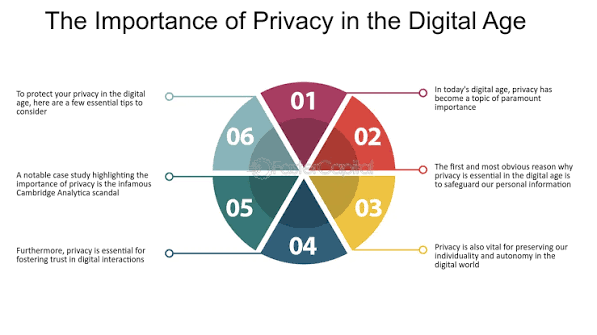
Protecting personal information helps prevent identity theft, financial fraud, and cybercrime. When sensitive data falls into the wrong hands, it can be used for illegal activities that cause significant financial and emotional harm.
Data privacy also builds trust between organizations and their customers. Businesses that implement strong privacy policies and secure systems are more likely to earn customer confidence and maintain long-term relationships.
Furthermore, protecting privacy supports individual freedom by allowing people to use digital services without fear of unnecessary surveillance or misuse of their personal information.
Best Practices for Protecting Personal Data
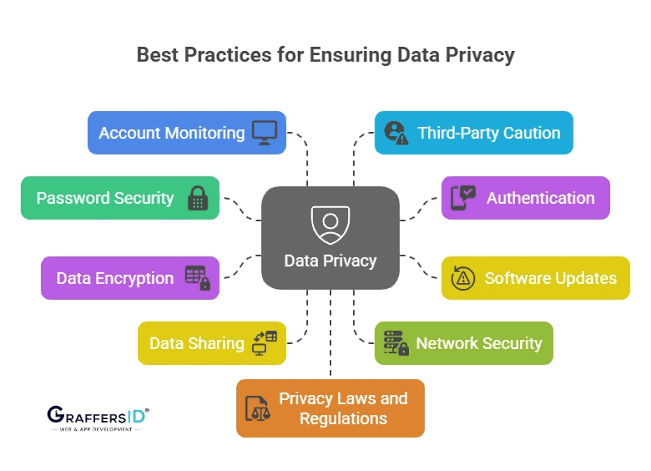
Individuals can improve their online privacy by using strong and unique passwords, enabling two-factor authentication, keeping software updated, and avoiding suspicious emails or links. Reviewing privacy settings on social media platforms and limiting the sharing of personal information also reduces security risks.
Organizations should encrypt sensitive data, regularly monitor their systems for security threats, train employees on cybersecurity practices, and comply with data protection regulations. Transparency about data collection and responsible data management are essential for maintaining public trust.
Future Challenges
As artificial intelligence, cloud computing, and the Internet of Things continue to expand, the amount of personal data generated will increase dramatically. Governments and technology companies must continue developing stronger privacy regulations and advanced security technologies to address emerging cyber threats.
International cooperation will also play an important role in protecting digital privacy across borders.
Conclusion
Data privacy is one of the most important issues in the digital age. As technology becomes increasingly integrated into daily life, protecting personal information is essential for ensuring security, trust, and individual rights. By practicing safe online habits and supporting responsible data management, both individuals and organizations can help create a safer and more secure digital future.