Introduction
Technology has transformed the way people live, and one of the most significant innovations in recent years is the rise of smart homes. A smart home uses internet-connected devices to automate and control household functions such as lighting, heating, security, entertainment, and appliances. With the help of smartphones, voice assistants, and artificial intelligence, homeowners can manage their homes more efficiently than ever before. As technology continues to evolve, smart homes are becoming more affordable, accessible, and popular around the world.
What Is a Smart Home?
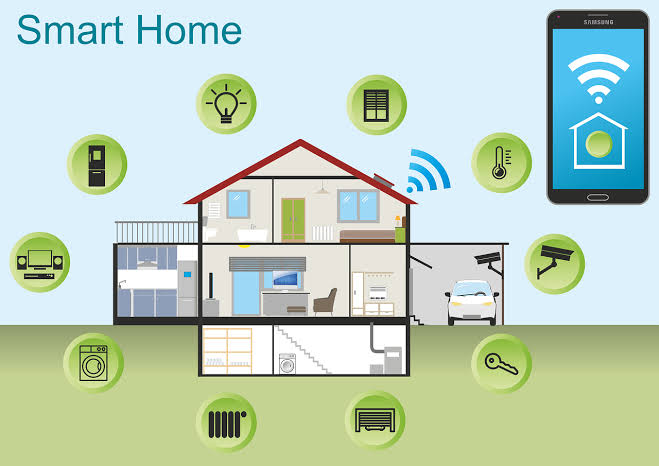
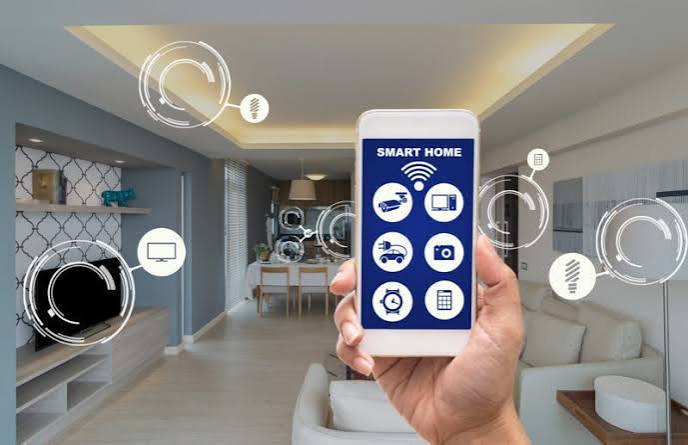
A smart home is equipped with devices that communicate with one another through the Internet of Things (IoT). These devices can be controlled remotely using mobile applications or voice commands. Common smart home technologies include smart lights, smart thermostats, security cameras, smart locks, video doorbells, and connected kitchen appliances.
Many smart homes also use artificial intelligence to learn a family’s daily routines. For example, a smart thermostat can automatically adjust the temperature based on occupancy, while smart lighting systems can turn lights on or off depending on the time of day or whether someone is in the room.
Benefits of Smart Homes
One of the biggest advantages of smart homes is convenience. Homeowners can control multiple devices from a single app or with simple voice commands. This saves time and makes everyday tasks easier.
Energy efficiency is another major benefit. Smart thermostats, lighting systems, and appliances help reduce electricity consumption by operating only when needed. This lowers utility bills while supporting environmental sustainability.
Smart security systems improve home safety through features such as motion detection, real-time alerts, remote monitoring, and facial recognition. Homeowners can monitor their property from anywhere, providing greater peace of mind.
Smart homes also improve accessibility for older adults and people with disabilities. Voice-controlled devices and automated systems make daily living more comfortable and independent.
Challenges and Concerns
Despite their advantages, smart homes also present challenges. The initial cost of purchasing and installing smart devices can be high. Reliable internet access is essential, and technical issues may occasionally disrupt device performance.
Privacy and cybersecurity are additional concerns. Since smart devices collect and transmit data, they may become targets for cyberattacks if they are not properly secured. Strong passwords, regular software updates, and secure networks are essential for protecting personal information.
The Future of Smart Homes
As artificial intelligence and IoT technologies continue to improve, smart homes will become even more intelligent and efficient. Future homes may feature advanced energy management, predictive maintenance, personalized automation, and greater integration with renewable energy systems such as solar panels and battery storage.
These innovations will not only increase comfort but also contribute to more sustainable and environmentally friendly living.
Conclusion
The rise of smart homes marks an important step in the evolution of modern living. By combining automation, connectivity, and artificial intelligence, smart homes offer greater convenience, security, and energy efficiency. While challenges related to cost and cybersecurity remain, ongoing technological advancements are making smart homes an increasingly valuable part of everyday life.