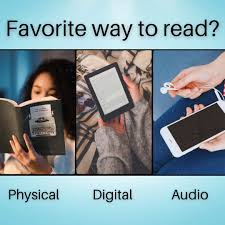
The rapid growth of e-books and audiobooks has transformed the literary world, making books more accessible, convenient, and flexible than ever before. Advances in digital technology have changed not only how people read but also how authors publish, distribute, and market their work. Today, digital reading formats play a major role in the future of literature.
E-books allow readers to carry entire libraries on a single device. Smartphones, tablets, and dedicated e-readers enable instant access to thousands of books from anywhere in the world. Adjustable font sizes, built-in dictionaries, highlighting tools, and note-taking features make e-books particularly appealing to students, researchers, and casual readers alike.
Audiobooks have introduced literature to audiences with busy lifestyles. People can enjoy books while commuting, exercising, cooking, or traveling, making reading more accessible than ever. Professional narrators, sound effects, and expressive performances often add emotional depth that enhances the storytelling experience.
Digital publishing has also expanded opportunities for authors. Self-publishing platforms allow writers to release e-books without traditional publishing contracts, enabling more diverse voices to reach global audiences. Independent authors can publish quickly, update content easily, and connect directly with readers.
Accessibility is another major advantage. E-books and audiobooks benefit people with visual impairments, learning disabilities, or physical conditions that make reading printed books difficult. Features such as text-to-speech, adjustable formatting, and synchronized audio improve inclusivity and ensure that literature reaches a wider audience.
Despite these advantages, digital formats also face criticism. Some readers prefer the physical experience of printed books, including the feel of paper, the ability to annotate pages by hand, and the satisfaction of collecting books. Others argue that digital distractions can reduce concentration during reading.
Publishers continue to balance traditional and digital formats, recognizing that each serves different audiences. Many books are now released simultaneously as hardcover, paperback, e-book, and audiobook editions, allowing readers to choose the format that best suits their preferences.
Looking ahead, innovations such as artificial intelligence, personalized recommendations, and enhanced digital publishing will continue shaping the literary landscape. Hybrid reading experiences that combine text, audio, and interactive features are likely to become even more common.
Conclusion
E-books and audiobooks have revolutionized literature by making books more portable, accessible, and convenient. While printed books remain deeply valued, digital formats have expanded opportunities for both readers and writers. Together, traditional and digital publishing are ensuring that literature continues to evolve and reach new generations around the world.