Introduction
Deep space exploration is entering a new era driven by rapid technological innovation. As scientists and engineers prepare for missions beyond the Moon and Mars, advanced spacecraft, artificial intelligence, robotics, and next-generation propulsion systems are making it possible to explore regions of the universe that were once beyond human reach. These technologies are expanding our understanding of space while laying the foundation for future human exploration.
Advanced Spacecraft
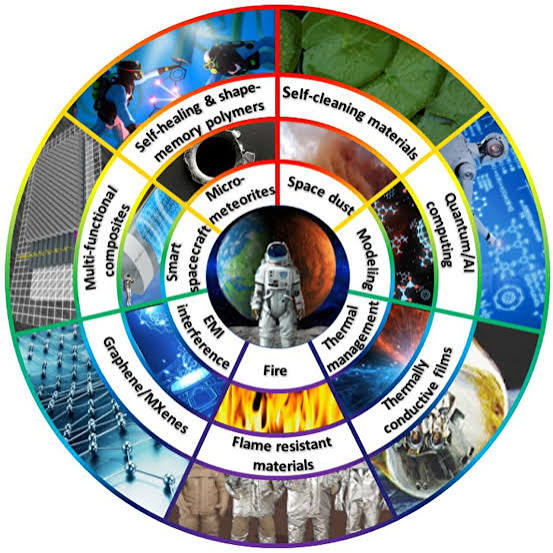
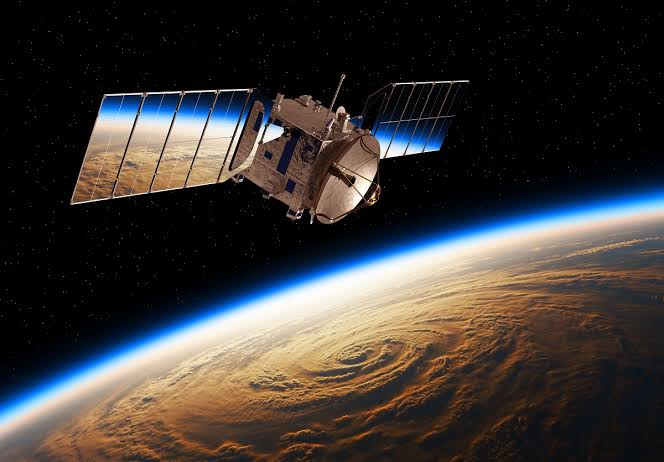
Modern spacecraft are becoming more reliable, efficient, and capable of operating for extended periods. Lightweight materials, improved power systems, and autonomous navigation allow missions to travel farther while carrying sophisticated scientific instruments.
Future spacecraft will be designed to withstand harsh cosmic environments, enabling exploration of distant planets, asteroids, and icy moons.
Artificial Intelligence in Space
Artificial intelligence has become an essential part of modern space missions. AI systems help spacecraft navigate independently, analyze scientific data, monitor onboard equipment, and respond to unexpected situations without waiting for instructions from Earth.
As communication delays increase with distance, intelligent onboard systems will become even more important for deep space exploration.
Next-Generation Propulsion
Traditional chemical rockets remain effective for launches, but future missions may rely on more advanced propulsion technologies. Electric propulsion systems, ion engines, and nuclear-powered propulsion could significantly reduce travel times while increasing fuel efficiency.
These innovations may one day make crewed missions to distant planets more practical.
Robotics Leading the Way
Before humans visit distant worlds, robotic explorers will continue to investigate unfamiliar environments. Advanced rovers, drones, and autonomous robots can collect samples, map terrain, and conduct scientific experiments in places too dangerous for astronauts.
Future robotic missions will prepare landing sites and even help construct habitats for human explorers.
Space Communication and Navigation
Reliable communication is critical for deep space missions. Scientists are developing laser-based communication systems capable of transmitting far more data than traditional radio signals.
Improved navigation technologies will also help spacecraft travel accurately across billions of kilometers.
The Future of Exploration
Emerging technologies are bringing ambitious missions closer to reality, including journeys to Mars, asteroid mining missions, and exploration of the outer planets and their moons. International cooperation between governments, research institutions, and private companies is accelerating progress.
Conclusion
New technologies are transforming deep space exploration from ambitious dreams into achievable goals. With advances in artificial intelligence, robotics, propulsion, and communications, humanity is preparing to explore the solar system and beyond. The coming decades promise discoveries that could forever change our understanding of the universe and our place within it.