Introduction
Mental health is an essential component of overall well-being. In today’s fast-paced world, many individuals experience stress, anxiety, and emotional challenges. Sports participation has emerged as an effective way to improve mental health and promote psychological well-being. Whether played competitively or recreationally, sports offer numerous mental and emotional benefits that enhance the quality of life.
Reducing Stress and Anxiety
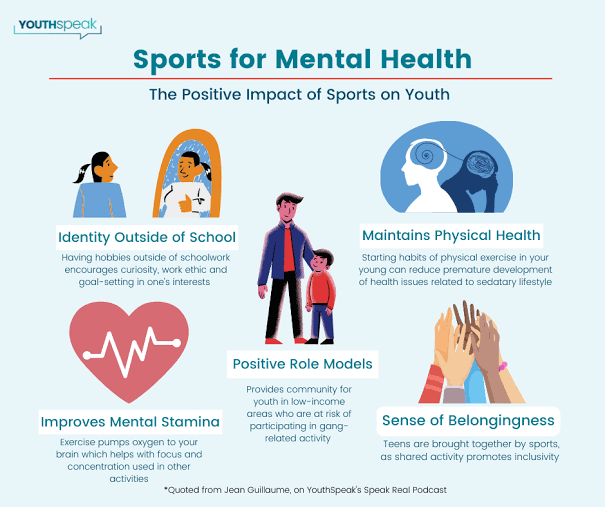
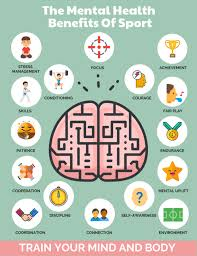
Physical activity stimulates the release of endorphins, often referred to as “feel-good” hormones. These chemicals help reduce stress, anxiety, and tension while improving mood. Engaging in sports provides a healthy outlet for managing daily pressures and emotional challenges.
Improving Self-Confidence
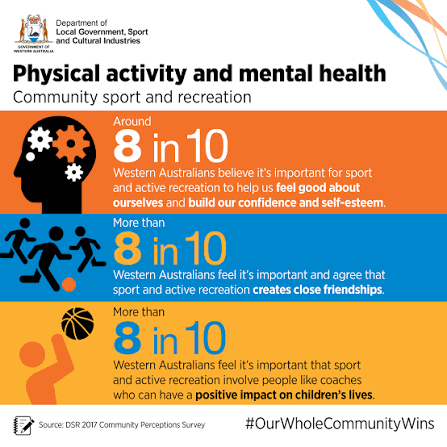
Sports help individuals develop confidence by allowing them to achieve personal goals and improve their skills. Success in sports, whether small or significant, fosters a sense of accomplishment and self-worth.
Enhancing Emotional Well-Being
Regular sports participation contributes to positive emotions and overall happiness. Being physically active can reduce symptoms of depression and help individuals maintain a more optimistic outlook on life.
Building Social Connections
Sports bring people together and encourage teamwork, friendship, and social interaction. Strong social connections are important for mental health because they provide emotional support and reduce feelings of loneliness and isolation.
Developing Resilience
Sports teach individuals how to handle setbacks, failures, and challenges. Athletes learn perseverance, patience, and determination, which strengthen their ability to cope with difficulties both on and off the field.
Improving Focus and Cognitive Function
Participation in sports can improve concentration, memory, and decision-making skills. Physical activity increases blood flow to the brain, supporting cognitive performance and academic achievement.
Promoting Healthy Lifestyle Habits
Individuals who participate in sports are more likely to adopt healthy habits such as regular exercise, proper nutrition, and adequate sleep. These habits contribute significantly to long-term mental and physical health.
Challenges and Considerations
While sports generally support mental health, excessive pressure, unrealistic expectations, and overtraining can negatively affect athletes. Coaches, parents, and organizations should prioritize mental well-being alongside athletic performance.
Conclusion
Sports participation offers numerous mental health benefits, including reduced stress, increased self-confidence, stronger social connections, and improved emotional well-being. As societies continue to recognize the importance of mental health, promoting sports participation can serve as an effective strategy for building healthier and happier communities.