Introduction
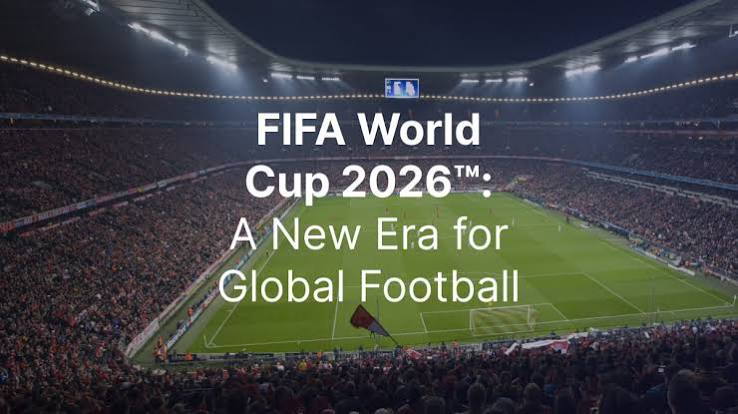
The FIFA World Cup 2026 marks a historic milestone in international football. Hosted jointly by the United States, Canada, and Mexico, the tournament is the first World Cup to feature 48 teams instead of the traditional 32. This expansion represents FIFA’s vision of making football more inclusive and providing opportunities for more nations to compete on the world’s biggest sporting stage. The tournament is expected to be one of the largest and most exciting events in football history. Based on FIFA’s official information, the competition features 48 teams, three host countries, and a record number of matches.
Expansion to 48 Teams
One of the most significant changes in FIFA World Cup 2026 is the expansion from 32 to 48 participating teams. The tournament is organized into 12 groups of four teams each. The top two teams from every group, along with the eight best third-placed teams, advance to the knockout stage. This new structure increases the number of matches and allows more countries to experience World Cup football.
Three-Nation Hosting
For the first time in World Cup history, three countries are hosting the tournament together. The United States, Canada, and Mexico will welcome millions of fans from around the world. This collaboration demonstrates the power of international cooperation and highlights football’s ability to unite people across borders. Mexico also becomes the first nation to host World Cup matches in three different editions.
Benefits of the New Format
1. Greater Global Representation
More nations now have the opportunity to participate in the World Cup, promoting football development in emerging football regions.
2. Increased Fan Engagement
With more teams and matches, fans can enjoy a wider variety of football cultures, playing styles, and international rivalries.
3. Economic Opportunities
The tournament is expected to generate significant revenue through tourism, sponsorships, broadcasting rights, and merchandise sales.
4. Development of Football Worldwide
The expanded format encourages investment in youth academies, coaching programs, and football infrastructure across different countries.
Challenges Facing FIFA World Cup 2026
1. Player Fatigue
The increase in matches may place additional physical demands on players, increasing the risk of injuries.
2. Travel and Logistics
Teams and supporters must travel across multiple cities and countries, creating logistical challenges.
3. Competitive Balance
Some critics argue that expanding the tournament could lead to uneven matches between stronger and weaker teams.
4. Tournament Management
Managing 48 teams and 104 matches requires exceptional planning and coordination from organizers.
Impact on the Future of Football
The FIFA World Cup 2026 is likely to influence the future direction of international football. If successful, the expanded format could become a model for future tournaments. The event will also showcase advancements in sports technology, stadium management, and fan experiences.
Furthermore, the tournament offers smaller football nations a greater chance to compete on the global stage, potentially producing new football heroes and inspiring future generations of players.
Conclusion
The FIFA World Cup 2026 represents a new chapter in football history. With its expanded format, three host nations, and increased global participation, the tournament promises excitement, diversity, and unforgettable moments. While challenges such as logistics and player workload exist, the competition has the potential to strengthen football’s position as the world’s most popular sport and inspire millions of fans across the globe.
Hashtags
Introduction
The FIFA World Cup 2026 marks a historic milestone in international football. Hosted jointly by the United States, Canada, and Mexico, the tournament is the first World Cup to feature 48 teams instead of the traditional 32. This expansion represents FIFA’s vision of making football more inclusive and providing opportunities for more nations to compete on the world’s biggest sporting stage. The tournament is expected to be one of the largest and most exciting events in football history. Based on FIFA’s official information, the competition features 48 teams, three host countries, and a record number of matches.
Expansion to 48 Teams
One of the most significant changes in FIFA World Cup 2026 is the expansion from 32 to 48 participating teams. The tournament is organized into 12 groups of four teams each. The top two teams from every group, along with the eight best third-placed teams, advance to the knockout stage. This new structure increases the number of matches and allows more countries to experience World Cup football.
Three-Nation Hosting
For the first time in World Cup history, three countries are hosting the tournament together. The United States, Canada, and Mexico will welcome millions of fans from around the world. This collaboration demonstrates the power of international cooperation and highlights football’s ability to unite people across borders. Mexico also becomes the first nation to host World Cup matches in three different editions.
Benefits of the New Format
1. Greater Global Representation
More nations now have the opportunity to participate in the World Cup, promoting football development in emerging football regions.
2. Increased Fan Engagement
With more teams and matches, fans can enjoy a wider variety of football cultures, playing styles, and international rivalries.
3. Economic Opportunities
The tournament is expected to generate significant revenue through tourism, sponsorships, broadcasting rights, and merchandise sales.
4. Development of Football Worldwide
The expanded format encourages investment in youth academies, coaching programs, and football infrastructure across different countries.
Challenges Facing FIFA World Cup 2026
1. Player Fatigue
The increase in matches may place additional physical demands on players, increasing the risk of injuries.
2. Travel and Logistics
Teams and supporters must travel across multiple cities and countries, creating logistical challenges.
3. Competitive Balance
Some critics argue that expanding the tournament could lead to uneven matches between stronger and weaker teams.
4. Tournament Management
Managing 48 teams and 104 matches requires exceptional planning and coordination from organizers.
Impact on the Future of Football
The FIFA World Cup 2026 is likely to influence the future direction of international football. If successful, the expanded format could become a model for future tournaments. The event will also showcase advancements in sports technology, stadium management, and fan experiences.
Furthermore, the tournament offers smaller football nations a greater chance to compete on the global stage, potentially producing new football heroes and inspiring future generations of players.
Conclusion
The FIFA World Cup 2026 represents a new chapter in football history. With its expanded format, three host nations, and increased global participation, the tournament promises excitement, diversity, and unforgettable moments. While challenges such as logistics and player workload exist, the competition has the potential to strengthen football’s position as the world’s most popular sport and inspire millions of fans across the global.