Introduction
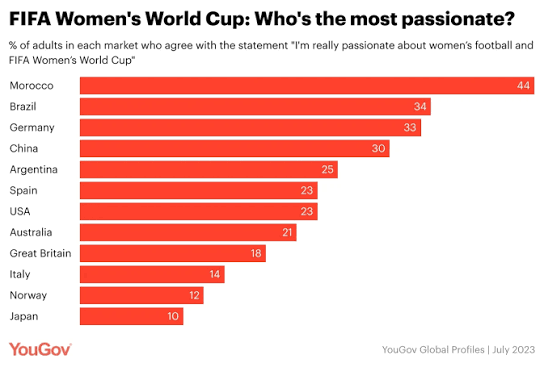
The Women’s FIFA World Cup has become one of the fastest-growing sporting events in the world. Since its inception in 1991, the tournament has evolved from a relatively small competition into a global spectacle that attracts millions of viewers, sponsors, and supporters. The increasing popularity of women’s football reflects changing attitudes toward gender equality in sports and the growing recognition of female athletes’ talents and achievements.
The Evolution of the Women’s FIFA World Cup
The first Women’s FIFA World Cup was held in China in 1991, featuring only 12 teams. Over the years, the tournament has expanded significantly, with more nations participating and larger audiences tuning in to watch. FIFA’s investment in women’s football has helped improve the quality of competition and increase the visibility of the sport worldwide.
Today, the Women’s FIFA World Cup is celebrated as one of the most prestigious tournaments in international football, bringing together the best female players from around the globe.
Factors Behind Its Growing Popularity
1. Increased Media Coverage
Television networks, streaming platforms, and social media have played a major role in promoting women’s football. Fans can now easily follow matches, player interviews, and tournament highlights, helping the sport reach wider audiences.
2. Improved Investment in Women’s Football
National football associations and professional clubs have invested more resources in women’s teams, providing better training facilities, coaching, and development programs.
3. Inspirational Athletes
Female football stars have become role models for young athletes worldwide. Their dedication, skill, and achievements inspire girls to participate in sports and pursue their dreams.
4. Growing Public Support
Fans increasingly recognize the excitement and competitiveness of women’s football. Stadium attendance and television viewership have risen dramatically in recent tournaments.
5. Promotion of Gender Equality
The success of the Women’s FIFA World Cup has contributed to discussions about equal opportunities, fair pay, and greater representation of women in sports.
Impact on Society
Empowering Women and Girls
The tournament encourages girls to participate in sports and develop confidence, leadership skills, and teamwork abilities.
Economic Benefits
Major tournaments generate revenue through ticket sales, sponsorships, broadcasting rights, and tourism, benefiting host countries and football organizations.
Cultural Change
The growing popularity of women’s football challenges traditional stereotypes and promotes greater acceptance of women in professional sports.
Challenges Facing Women’s Football
Despite remarkable progress, several challenges remain:
- Unequal funding compared to men’s football.
- Limited professional opportunities in some countries.
- Pay disparities between male and female athletes.
- Need for continued investment in grassroots development.
Addressing these challenges will help ensure the long-term growth and sustainability of women’s football.
The Future of the Women’s FIFA World Cup
The future of the Women’s FIFA World Cup looks extremely promising. With increasing investment, expanding fan bases, and improved professional opportunities, the tournament is expected to continue growing in popularity. More countries are developing competitive women’s football programs, creating a stronger and more diverse international competition.
As interest continues to rise, the Women’s FIFA World Cup will play an even greater role in shaping the future of global football and inspiring future generations of athletes.
Conclusion
The growing popularity of the Women’s FIFA World Cup represents a significant achievement for sports and society. Through outstanding performances, increased media attention, and strong public support, women’s football has earned its place on the global stage. As the tournament continues to expand and inspire millions around the world, it will remain a powerful symbol of talent, determination, and equality in sports.