Introduction
Water is one of the most valuable natural resources on Earth. Every living organism depends on clean and safe water for survival. Despite covering about 71% of the Earth’s surface, only a small percentage of water is suitable for drinking and daily use. Rapid population growth, climate change, pollution, and excessive water consumption have created serious water shortages in many parts of the world. Conserving water is no longer an option—it is a necessity. By adopting effective water conservation strategies, individuals, communities, and governments can help protect this precious resource for future generations.
Why Water Conservation Matters
Water conservation helps ensure that enough clean water is available for drinking, agriculture, industries, and ecosystems. Conserving water also reduces energy consumption because less energy is required to pump, treat, and distribute water. Furthermore, water conservation protects rivers, lakes, wetlands, and wildlife habitats while reducing the impact of droughts and climate change.
Effective Water Conservation Strategies
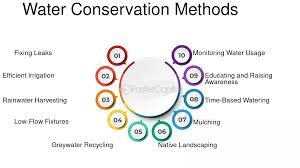
1. Fix Water Leaks
A dripping faucet or leaking pipe may seem insignificant, but it can waste thousands of liters of water each year. Regular maintenance and timely repairs can prevent unnecessary water loss.
2. Install Water-Efficient Fixtures
Modern water-saving devices such as low-flow showerheads, dual-flush toilets, and water-efficient faucets significantly reduce household water consumption without sacrificing performance.
3. Harvest Rainwater
Rainwater harvesting involves collecting and storing rainwater for non-drinking purposes such as gardening, washing vehicles, and cleaning outdoor spaces. This reduces dependence on freshwater supplies.
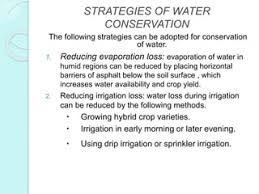
4. Practice Smart Irrigation
Agriculture uses a large portion of the world’s freshwater. Efficient irrigation systems like drip irrigation deliver water directly to plant roots, reducing evaporation and water waste.
5. Reuse Greywater
Greywater from sinks, showers, and washing machines can be treated and reused for irrigation and other non-potable purposes, helping conserve fresh water.
6. Reduce Household Water Waste
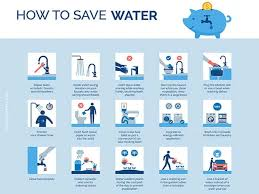
Simple habits can make a significant difference:
- Turn off the tap while brushing your teeth.
- Take shorter showers.
- Run washing machines and dishwashers only with full loads.
- Wash cars using a bucket instead of a running hose.
7. Protect Water Sources
Preventing pollution is just as important as conserving water. Proper waste disposal, reducing plastic pollution, and limiting the use of harmful chemicals help keep water sources clean.
8. Raise Public Awareness
Educational campaigns encourage people to adopt water-saving habits. Schools, media, and community organizations play an essential role in promoting responsible water use.
The Role of Governments and Industries
Governments can encourage water conservation by developing strong water management policies, investing in modern infrastructure, promoting wastewater recycling, and supporting sustainable farming practices. Industries can reduce water consumption by improving manufacturing processes, recycling water, and adopting environmentally friendly technologies.
Benefits of Water Conservation
Water conservation provides numerous benefits:
- Ensures long-term water availability.
- Reduces household utility bills.
- Protects aquatic ecosystems.
- Supports food production.
- Saves energy used in water treatment.
- Increases resilience during droughts.
- Promotes sustainable development.
Challenges to Water Conservation
Despite growing awareness, several challenges remain, including rapid urbanization, aging water infrastructure, pollution, climate change, and limited public education. Overcoming these challenges requires cooperation between governments, businesses, and citizens.
Conclusion
Water is essential for life, and conserving it is everyone’s responsibility. Small actions taken by millions of people can collectively make a significant impact. By fixing leaks, using water wisely, harvesting rainwater, and protecting natural water sources, we can secure clean water for present and future generations. Water conservation is not just about saving water—it is about protecting life itself.