Introduction
The workplace is evolving rapidly due to advances in technology, globalization, and changing business needs. Employers are no longer looking only for academic qualifications; they also seek graduates with practical skills that enable them to adapt, innovate, and solve real-world problems. In 2026, success in any career depends on a combination of technical expertise, soft skills, and a commitment to continuous learning.
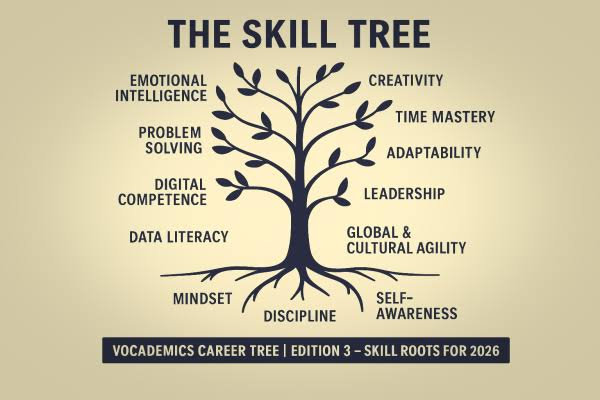
1. Digital Literacy
Every graduate should be comfortable using digital tools, cloud platforms, productivity software, and online collaboration applications. Understanding cybersecurity basics and emerging technologies is becoming increasingly important across all industries.
2. Artificial Intelligence Awareness
AI is transforming healthcare, education, finance, manufacturing, and many other sectors. Graduates should understand how AI tools work, how to use them responsibly, and how they can improve productivity without replacing human creativity and critical thinking.
3. Critical Thinking and Problem-Solving
Employers value graduates who can analyze situations, evaluate information, and develop practical solutions to complex challenges. Critical thinking helps individuals make informed decisions and adapt to changing environments.
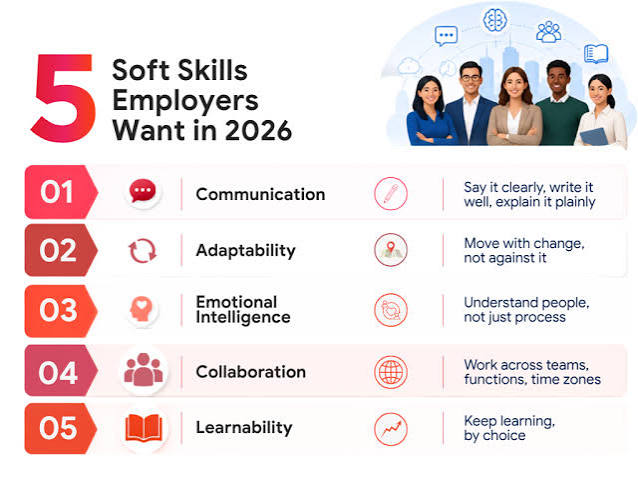
4. Communication Skills
Strong written and verbal communication is essential in every profession. Graduates should be able to present ideas clearly, write professional emails and reports, and communicate effectively with colleagues, clients, and stakeholders.
5. Adaptability and Flexibility
Technology and industries change rapidly. Graduates who can learn new skills, embrace change, and remain productive in different work environments will have greater career opportunities.
6. Teamwork and Collaboration
Modern workplaces rely on teamwork. Graduates should know how to collaborate with diverse teams, respect different viewpoints, and contribute effectively to shared goals.
7. Emotional Intelligence
Understanding emotions, managing stress, showing empathy, and building positive relationships are valuable skills that improve teamwork, leadership, and workplace culture.
8. Leadership Skills
Leadership is not limited to managers. Graduates should be able to take initiative, motivate others, manage projects, and make responsible decisions when opportunities arise.
9. Time Management
Managing deadlines, prioritizing tasks, and maintaining productivity are essential for balancing work responsibilities and achieving career success.
10. Creativity and Innovation
Organizations seek individuals who can generate fresh ideas, improve processes, and develop innovative solutions to business challenges.
11. Financial Literacy
Understanding budgeting, personal finance, investments, and business fundamentals helps graduates make informed financial decisions throughout their careers.
12. Lifelong Learning
The most successful professionals never stop learning. Graduates should continuously update their knowledge through certifications, workshops, online courses, and professional development programs.
Why These Skills Matter
Graduates equipped with these skills are more employable, adaptable, and prepared for future careers. They can work effectively with advanced technologies, communicate across cultures, solve complex problems, and contribute to organizational growth.
Conclusion
A university degree remains valuable, but it is only one part of career success. In 2026, employers seek graduates who combine technical knowledge with communication, adaptability, leadership, creativity, and digital expertise. By developing these essential skills, graduates can confidently navigate an ever-changing job market and build successful, rewarding careers.