Introduction
Setting goals is one of the most powerful ways to achieve success and personal growth. Goals provide direction, motivation, and a clear sense of purpose. Whether in education, career, health, or personal life, people who set meaningful goals are often more focused and productive. Instead of moving through life without a plan, goal-setting helps individuals identify what they want to achieve and create a path toward reaching it.
What Are Goals?
Goals are specific results or achievements that a person wants to accomplish within a certain period. They can be short-term, such as improving grades in a semester, or long-term, such as building a successful career or starting a business.
Why Setting Goals Is Important
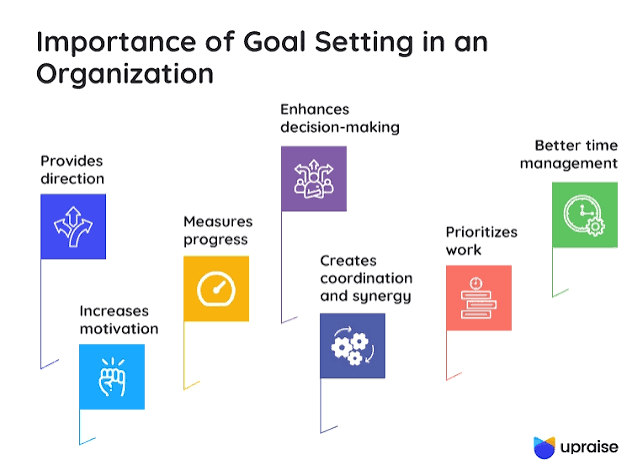
1. Provides Direction
Goals act like a roadmap. They help individuals focus their time and energy on what truly matters instead of becoming distracted by less important activities.
2. Increases Motivation
Having a clear target creates motivation. People are more likely to work hard when they know what they are striving to achieve.
3. Improves Time Management
When goals are clearly defined, individuals can prioritize tasks and manage their time more effectively. This reduces procrastination and increases productivity.
4. Builds Self-Confidence
Achieving goals, even small ones, boosts confidence and creates a sense of accomplishment. Success in one area often encourages people to pursue bigger challenges.
5. Encourages Personal Growth
Goals push individuals to learn new skills, gain knowledge, and step outside their comfort zones. This leads to continuous improvement and personal development.
Characteristics of Effective Goals
Effective goals are often SMART:
- Specific – Clearly define what you want to achieve.
- Measurable – Track progress and results.
- Achievable – Set realistic goals.
- Relevant – Align goals with your values and priorities.
- Time-bound – Set a deadline.
Common Obstacles to Goal Achievement
Many people struggle to achieve goals because of:
- Lack of planning
- Fear of failure
- Procrastination
- Negative thinking
- Loss of motivation
- Unrealistic expectations
Recognizing these obstacles is the first step toward overcoming them.
Tips for Achieving Goals
- Write your goals down.
- Break large goals into smaller steps.
- Track your progress regularly.
- Stay disciplined and consistent.
- Celebrate small achievements.
- Learn from setbacks instead of giving up.
Conclusion
Setting goals is essential for success, growth, and fulfillment. Goals provide direction, increase motivation, and help individuals make the best use of their time and abilities. While challenges may arise, persistence and proper planning can turn dreams into reality. By setting clear and meaningful goals, anyone can create a brighter and more successful future.