Introduction
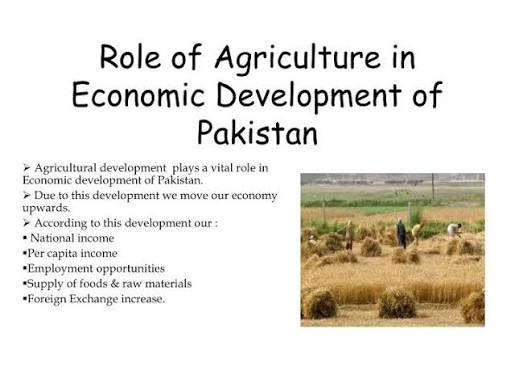
Agriculture is one of the most important sectors of any nation’s economy. It provides food, raw materials, employment opportunities, and income for millions of people. In many developing countries, agriculture serves as the backbone of economic growth and plays a crucial role in national development. A strong agricultural sector contributes to food security, poverty reduction, and overall social progress.
Agriculture as the Foundation of the Economy
Agriculture supports economic development by contributing significantly to a country’s gross domestic product (GDP). It supplies raw materials to industries such as textiles, food processing, and manufacturing. As agricultural production increases, economic activity expands, creating opportunities for growth in other sectors.
Food Security and Nutrition
One of the primary functions of agriculture is ensuring food security. Farmers produce crops, fruits, vegetables, and livestock products that meet the nutritional needs of the population. A stable food supply reduces hunger, improves public health, and enhances the quality of life.
Employment Generation
Agriculture provides employment to a large portion of the population, especially in rural areas. Farming, livestock management, fisheries, and agricultural businesses create jobs and generate income for millions of families. This helps reduce unemployment and improve living standards.
Contribution to Rural Development
Agricultural growth stimulates rural development by increasing income levels and supporting local businesses. Improved farming practices encourage investment in infrastructure such as roads, irrigation systems, schools, and healthcare facilities, benefiting entire communities.
Agricultural Exports and Foreign Exchange
Many countries earn valuable foreign exchange through agricultural exports. Products such as rice, wheat, cotton, fruits, and vegetables contribute to international trade and strengthen national economies. Export earnings can be used to support development projects and improve public services.
Technology and Modern Agriculture
Advancements in technology have transformed agriculture. Modern farming techniques, improved seeds, irrigation systems, and digital tools help farmers increase productivity and efficiency. Sustainable agricultural practices also help protect natural resources for future generations.
Challenges Facing Agriculture
Despite its importance, agriculture faces several challenges, including climate change, water scarcity, soil degradation, and fluctuating market prices. Governments and stakeholders must work together to support farmers and ensure sustainable agricultural development.
Conclusion
Agriculture is a key driver of national development. It supports economic growth, ensures food security, creates employment, and contributes to rural development. By investing in modern farming techniques and sustainable practices, nations can strengthen their agricultural sectors and build a more prosperous future.