Introduction
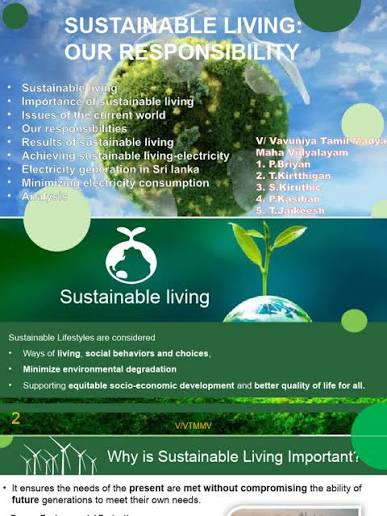
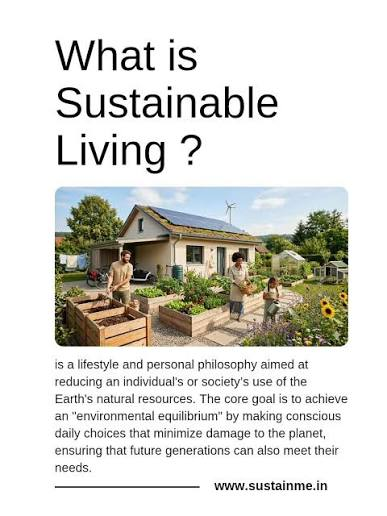
Sustainable living is a lifestyle that aims to reduce the use of natural resources and minimize environmental impact. As the world’s population continues to grow and environmental challenges increase, adopting sustainable practices has become essential. Sustainable living ensures that future generations can enjoy a healthy planet with sufficient resources to meet their needs.
Understanding Sustainability
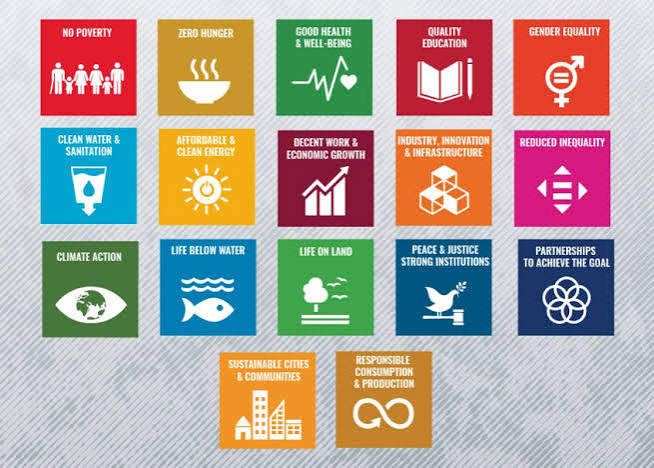
Sustainability means meeting present needs without compromising the ability of future generations to meet their own needs. It involves balancing environmental protection, economic development, and social well-being.
Conserving Natural Resources
Natural resources such as water, forests, soil, and energy are limited. Sustainable living encourages responsible consumption by reducing waste, conserving water, and using energy efficiently. Small actions, such as turning off unused lights and repairing leaks, can make a significant difference.
Reducing Pollution and Waste
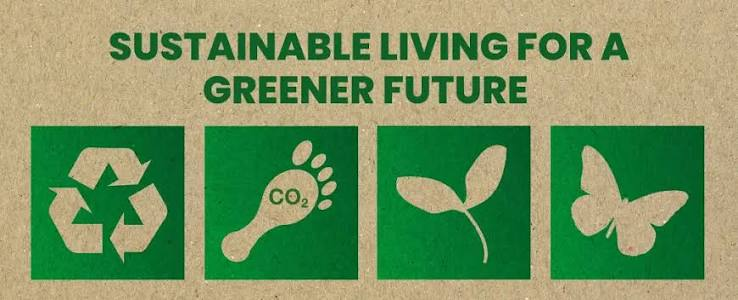
One of the key principles of sustainable living is minimizing waste. Recycling, reusing materials, and reducing the use of single-use plastics help decrease pollution and protect ecosystems. Proper waste management also reduces environmental damage and health risks.
Renewable Energy Solutions
The use of renewable energy sources such as solar, wind, and hydroelectric power can reduce dependence on fossil fuels. Clean energy helps lower greenhouse gas emissions and supports long-term environmental sustainability.
Sustainable Transportation
Choosing environmentally friendly transportation options such as walking, cycling, public transport, and electric vehicles can reduce air pollution and carbon emissions. Sustainable transportation also contributes to healthier communities.
Sustainable Food and Agriculture
Supporting local agriculture and reducing food waste are important aspects of sustainable living. Sustainable farming practices help protect soil quality, conserve water, and ensure long-term food security.
The Role of Education and Awareness
Education plays a crucial role in promoting sustainable living. By raising awareness about environmental issues, communities can encourage responsible behaviors and inspire positive change.
Benefits for Future Generations
Sustainable living helps preserve natural resources, protect biodiversity, improve public health, and strengthen economies. Future generations will benefit from cleaner air, safer water, and a more stable environment if sustainable practices are adopted today.
Conclusion
Sustainable living is not just a personal choice; it is a responsibility shared by individuals, communities, businesses, and governments. By making environmentally conscious decisions and promoting sustainable practices, we can create a healthier and more secure future for generations to come.