In today’s digital world, cybersecurity is more important than ever. From online banking to social media, we share a significant amount of personal information on the internet. Understanding basic cybersecurity practices can help protect your data and keep your online accounts secure.
1. Use Strong Passwords
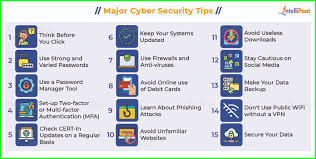
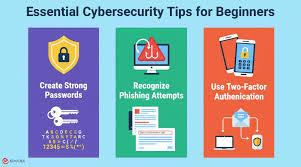
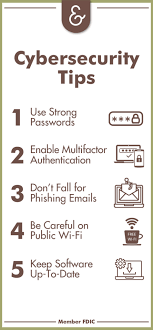
Create unique passwords that include uppercase and lowercase letters, numbers, and special characters. Avoid using personal information such as your name or birthdate. Consider using a password manager to store your passwords securely.
2. Enable Two-Factor Authentication (2FA)
Two-factor authentication adds an extra layer of security by requiring a second verification step, such as a code sent to your phone or generated by an authentication app.
3. Keep Software Updated
Regularly update your operating system, web browser, and applications. Software updates often include security patches that fix vulnerabilities hackers may exploit.
4. Be Careful with Emails and Links
Cybercriminals often use phishing emails to trick users into revealing sensitive information. Always verify the sender’s identity and avoid clicking suspicious links or downloading unexpected attachments.
5. Use Secure Wi-Fi Networks
Avoid accessing sensitive accounts over public Wi-Fi. If you must use a public network, consider using a Virtual Private Network (VPN) to encrypt your internet connection.
6. Install Antivirus Software
Reliable antivirus software can detect and remove malware, protecting your device from viruses, ransomware, and other threats.
7. Back Up Your Data
Regular backups ensure that important files can be restored if your device is infected by malware or experiences hardware failure.
Conclusion
Cybersecurity doesn’t have to be complicated. By following these simple practices, beginners can significantly reduce their risk of cyber threats and enjoy a safer online experience.