Introduction
Football is more than just a sport. It is a global language that connects people across cultures, countries, and communities. Because of its popularity and influence, football has become a powerful tool for social change, helping to address issues such as poverty, inequality, discrimination, and lack of education.
Football Brings People Together
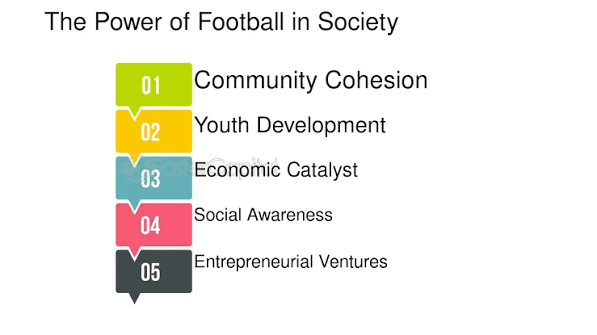
One of the strongest impacts of football is its ability to unite people. Whether played in villages, cities, or international stadiums, football creates a sense of teamwork and friendship. It breaks social barriers such as race, religion, and nationality, allowing people to connect through a shared passion.
Promoting Peace and Unity
Football has often been used to promote peace in conflict-affected regions. Friendly matches and international tournaments encourage cooperation between countries and communities. Organizations like FIFA also support programs that use football to spread messages of peace and unity.
Encouraging Youth Development
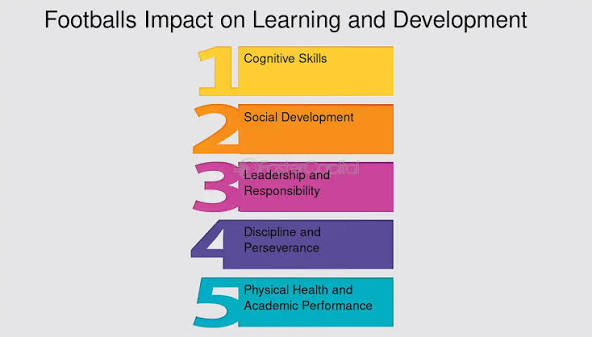
Football plays a major role in youth development. It teaches important life skills such as discipline, teamwork, leadership, and patience. Many community programs use football to keep young people engaged in positive activities, reducing crime and encouraging healthy lifestyles.
Fighting Social Inequality
Football can help reduce social inequality by providing equal opportunities for everyone, regardless of background. Many grassroots initiatives focus on giving children from poor or disadvantaged communities access to training, equipment, and coaching. This helps talented players rise based on ability rather than social status.
Empowering Women and Girls
Women’s football has become an important platform for gender equality. Increased support from FIFA and other organizations has encouraged more girls to participate in sports. This helps challenge stereotypes and promotes equal opportunities in society.
Education and Awareness Through Football
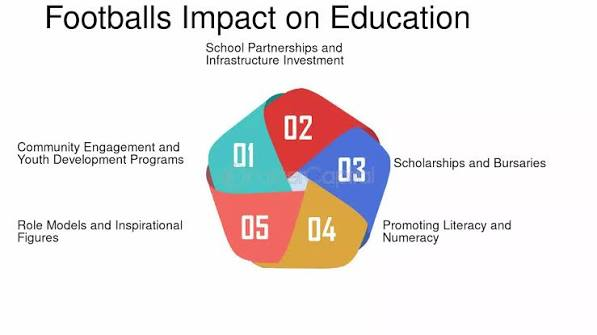
Football is also used to raise awareness about important issues such as health, education, and environmental protection. Campaigns run during matches or tournaments help spread messages to millions of fans around the world.
Economic Opportunities
Football creates jobs and business opportunities in coaching, training, sports management, media, and event organization. In many communities, football programs also support local economies by building facilities and creating sports-related employment.
Challenges in Using Football for Social Change
Despite its benefits, challenges remain. Limited funding, lack of infrastructure, and unequal access to sports facilities can restrict the impact of football-based programs, especially in rural areas.
Conclusion
Football is a powerful force that goes beyond entertainment. It brings people together, promotes peace, supports education, and creates opportunities for young people. With continued support from organizations like FIFA and local communities, football can continue to play a major role in building a more inclusive and equal society.