Introduction
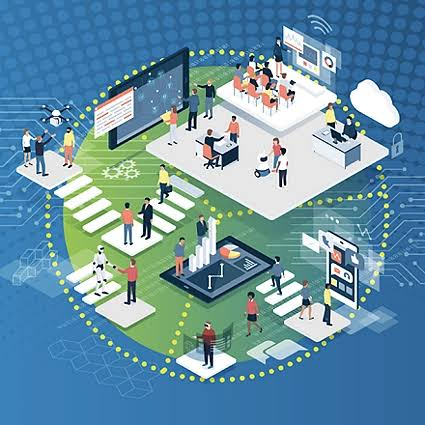
The modern workplace is evolving faster than ever before, driven by rapid advances in technology. Businesses are adopting intelligent tools to improve productivity, enhance collaboration, and create more flexible work environments. From Artificial Intelligence (AI) and cloud computing to virtual reality and automation, future workplace technologies are reshaping how employees communicate, solve problems, and achieve organizational goals. Companies that embrace these innovations are better positioned to remain competitive in an increasingly digital world.
The Evolution of the Workplace
Traditional offices relied heavily on paper documents, manual processes, and face-to-face communication. Today, digital technologies allow employees to work from anywhere while staying connected through cloud-based platforms and collaboration tools. The workplace of the future will be smarter, more efficient, and more adaptable to changing business needs.
Key Technologies Shaping Future Workplaces
Artificial Intelligence (AI)
AI assists employees by automating repetitive tasks, analyzing data, generating reports, scheduling meetings, and providing intelligent recommendations. AI-powered assistants help workers focus on creativity and strategic decision-making instead of routine administrative work.
Cloud Computing
Cloud technology enables employees to securely access files, applications, and business systems from any location. It supports remote work, improves collaboration, and reduces the need for expensive on-site infrastructure.
Hybrid Work Platforms
Modern collaboration platforms integrate video conferencing, instant messaging, project management, and file sharing into a single digital workspace. These tools make communication seamless for both remote and in-office employees.
Automation and Robotics
Automation software handles repetitive business processes such as data entry, invoice processing, payroll, and customer support. In industries such as manufacturing and logistics, robots perform physically demanding tasks with speed and precision.
Virtual and Augmented Reality
VR and AR are transforming employee training by creating immersive learning environments where workers can practice real-world tasks safely. These technologies also improve product design, maintenance, and remote technical support.
Cybersecurity Solutions
As workplaces become increasingly digital, advanced cybersecurity technologies protect sensitive business data from cyber threats. AI-powered security systems monitor networks continuously and respond quickly to suspicious activities.
Benefits of Future Workplace Technologies
Businesses adopting advanced technologies enjoy numerous advantages:
- Higher employee productivity
- Improved collaboration across teams
- Faster decision-making
- Reduced operational costs
- Greater workplace flexibility
- Enhanced customer service
- Better employee satisfaction
- Increased business innovation
These benefits help organizations remain competitive in a rapidly changing global economy.
Challenges
Despite their advantages, future workplace technologies also present challenges:
- High implementation costs
- Cybersecurity risks
- Employee resistance to change
- Continuous training requirements
- Data privacy concerns
- Integration with existing systems
Organizations must invest in employee education and digital transformation strategies to overcome these obstacles successfully.
The Future Outlook
The workplace of the future will feature AI-powered digital assistants, intelligent meeting rooms, smart offices, autonomous robots, and personalized employee experiences. Companies will increasingly rely on data-driven insights to improve productivity while maintaining flexibility through hybrid work models. Human creativity, emotional intelligence, and leadership will remain essential as technology continues to evolve.
Conclusion
Future workplace technologies are transforming how businesses operate and how employees perform their work. By embracing AI, cloud computing, automation, virtual reality, and advanced cybersecurity, organizations can create more efficient, flexible, and innovative workplaces. Businesses that successfully combine technology with skilled employees will lead the future of work.
Keywords: Future Workplace, Workplace Technology, AI, Cloud Computing, Automation, Hybrid Work, Digital Transformation
