Introduction
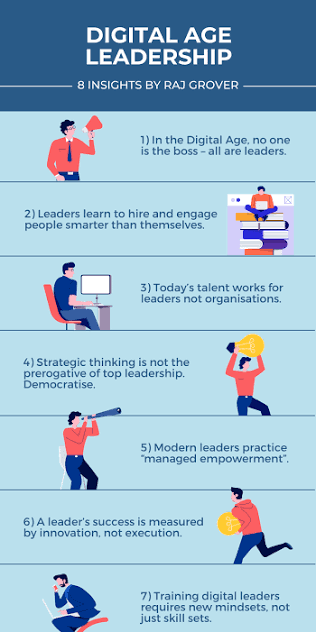
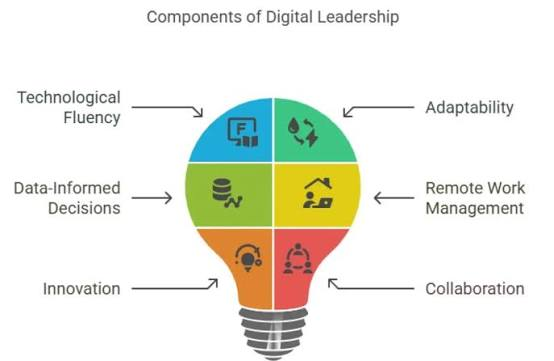
The digital revolution has transformed the way organizations operate, making leadership more dynamic than ever before. Modern leaders are expected to guide teams through technological change, manage remote workforces, encourage innovation, and make data-driven decisions. Success in the digital age requires more than traditional management skills—it demands adaptability, digital literacy, emotional intelligence, and a commitment to continuous learning.
Why Digital Leadership Matters
Businesses today operate in an environment shaped by Artificial Intelligence, cloud computing, automation, and global connectivity. Effective leaders must understand how these technologies influence business operations while inspiring employees to embrace innovation and change.
Essential Leadership Skills
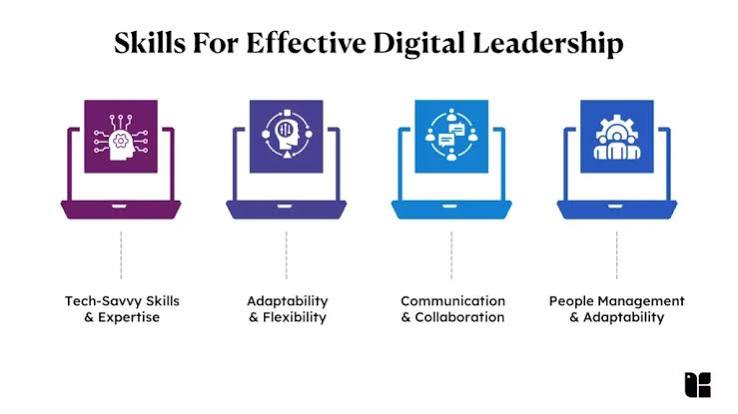
Digital Literacy
Leaders should understand emerging technologies and how they impact their industry. While they do not need to be technical experts, they must make informed decisions about adopting new tools and digital strategies.
Adaptability
Technology evolves rapidly. Successful leaders remain flexible, respond quickly to change, and encourage their teams to embrace new opportunities instead of fearing disruption.
Emotional Intelligence
Strong leaders understand their employees’ needs, communicate effectively, resolve conflicts, and build trust. Emotional intelligence remains one of the most valuable leadership qualities in a technology-driven workplace.
Strategic Thinking
Digital leaders focus on long-term goals while using real-time data to guide business decisions. They anticipate future trends and prepare their organizations for upcoming challenges.
Communication Skills
Clear communication is essential, especially in remote and hybrid work environments. Leaders must ensure transparency, provide regular feedback, and maintain strong connections with distributed teams.
Innovation Mindset
Encouraging creativity and experimentation helps organizations stay competitive. Digital leaders support new ideas, learn from failures, and continuously seek better ways to solve problems.
Leading Remote and Hybrid Teams
Digital leaders must effectively manage teams working from different locations by:
- Building trust through transparency
- Setting clear expectations
- Using collaboration tools effectively
- Promoting work-life balance
- Recognizing employee achievements
- Supporting continuous professional development
These practices help maintain productivity while strengthening employee engagement.
Challenges
Modern leaders face several challenges:
- Rapid technological change
- Cybersecurity concerns
- Employee resistance to digital transformation
- Managing diverse, global teams
- Balancing automation with human interaction
- Maintaining organizational culture in hybrid workplaces
Addressing these challenges requires both technical awareness and strong interpersonal skills.
The Future of Leadership
Future leaders will increasingly collaborate with AI systems that provide insights, automate routine management tasks, and support strategic planning. However, qualities such as empathy, ethics, creativity, and critical thinking will remain uniquely human strengths that technology cannot replace.
Conclusion
Leadership in the digital age requires a combination of technological understanding and human-centered management. Leaders who embrace innovation, communicate effectively, inspire collaboration, and adapt to change will be best equipped to guide their organizations toward long-term success in an increasingly digital world.
Keywords: Digital Leadership, Leadership Skills, Future of Work, Business Leadership, Digital Transformation, Innovation