Introduction
As the world searches for cleaner alternatives to fossil fuels, hydrogen fuel is emerging as one of the most promising energy sources. It produces no carbon emissions at the point of use, can store renewable energy, and has the potential to power vehicles, industries, and even entire cities. Although challenges remain, hydrogen is expected to play an increasingly important role in the global transition to sustainable energy.
What Is Hydrogen Fuel?
Hydrogen is the most abundant element in the universe. When used in a fuel cell, hydrogen reacts with oxygen to produce electricity, heat, and water vapor—the only direct by-product.
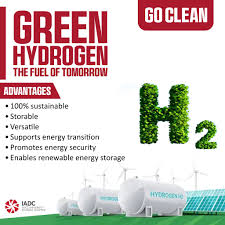
Hydrogen can be produced from different sources. “Green hydrogen,” created using renewable electricity to split water into hydrogen and oxygen, is considered the cleanest option.
Applications of Hydrogen
Hydrogen fuel has many potential uses:
- Fuel-cell cars, buses, trucks, trains, and ships.
- Clean electricity generation for homes and businesses.
- Industrial processes such as steel and fertilizer production.
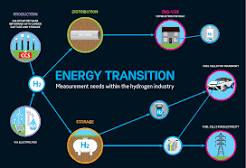
- Long-term energy storage for renewable power.
Its versatility makes hydrogen an attractive option for sectors that are difficult to electrify.
Advantages
Hydrogen offers several benefits, including fast refueling, long driving ranges for heavy vehicles, and zero direct carbon emissions when produced sustainably. It can also help balance electricity grids by storing excess energy generated by solar and wind farms.
Challenges
The widespread use of hydrogen requires better infrastructure, lower production costs, and more efficient storage and transportation systems. Expanding renewable electricity generation is also essential for producing larger quantities of green hydrogen.
The Future
Many countries are investing in hydrogen projects to reduce emissions and strengthen energy security. Advances in technology are expected to make hydrogen production more affordable, increasing its use across transportation and industry.
Conclusion
Hydrogen fuel has the potential to become one of the world’s most important clean energy sources. While it is unlikely to replace every existing fuel, it can complement renewable energy and help create a more sustainable, low-carbon future.