Introduction
As global temperatures continue to rise, reducing greenhouse gas emissions has become one of humanity’s greatest priorities. While renewable energy and energy efficiency are helping lower emissions, scientists are also developing carbon capture technologies that remove carbon dioxide (CO₂) from industrial processes and even directly from the atmosphere. These innovations could play an important role in slowing climate change while supporting the transition to a cleaner future.
What Is Carbon Capture?
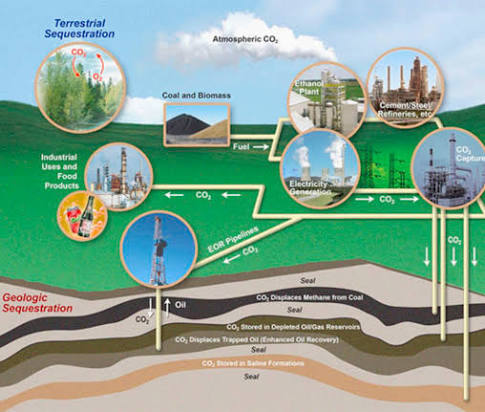
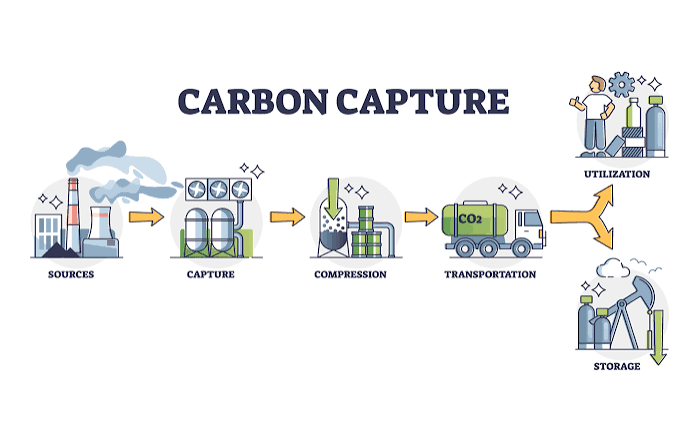
Carbon capture is the process of collecting carbon dioxide before it enters the atmosphere or removing it from the air after it has been released. The captured CO₂ can then be safely stored deep underground or reused in products such as building materials, synthetic fuels, and industrial chemicals.
There are three main approaches:
- Carbon Capture and Storage (CCS): Captures CO₂ from power plants and factories before storing it underground.
- Carbon Capture, Utilization, and Storage (CCUS): Reuses captured carbon in useful products.
- Direct Air Capture (DAC): Removes CO₂ directly from the atmosphere using specialized machines.
Benefits of Carbon Capture
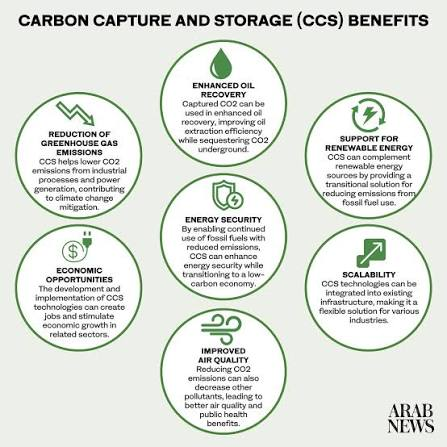
Carbon capture technologies can significantly reduce emissions from industries where cutting carbon is especially difficult, such as cement, steel, and chemical manufacturing. They can also help countries meet climate goals while supporting economic growth.
Some projects are already combining carbon capture with renewable energy to create cleaner fuels and more sustainable industrial processes.
Challenges
Despite its promise, carbon capture remains expensive and energy-intensive. Building the infrastructure needed to transport and store captured carbon also requires substantial investment.
Researchers are working to improve efficiency, lower costs, and develop materials that capture CO₂ more effectively.
Looking Ahead
Governments, universities, and private companies are investing heavily in carbon capture research. As technologies mature, they may become an essential part of global strategies to achieve net-zero emissions and protect the planet.
Conclusion
Carbon capture technologies are not a complete solution to climate change, but they are becoming an important tool alongside renewable energy, conservation, and sustainable development. Continued innovation and international cooperation will determine how large a role they play in creating a cleaner and more resilient future.