Introduction
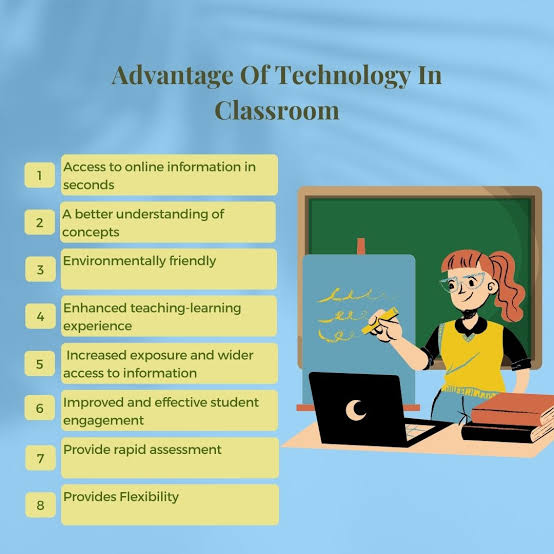
Technology has transformed classroom learning by making education more interactive, engaging, and accessible. Digital tools such as smart boards, laptops, tablets, educational apps, and online learning platforms have changed the traditional teaching environment. Today, technology helps students learn more effectively while preparing them for a digital future.
The Role of Technology in Education
Technology enhances teaching by providing access to a vast amount of information and interactive learning resources. Teachers can use multimedia presentations, educational videos, and virtual simulations to explain complex topics in a simple and engaging way. Students can also collaborate with classmates and communicate with teachers through digital platforms.
Benefits of Technology in Classroom Learning
1. Interactive Learning
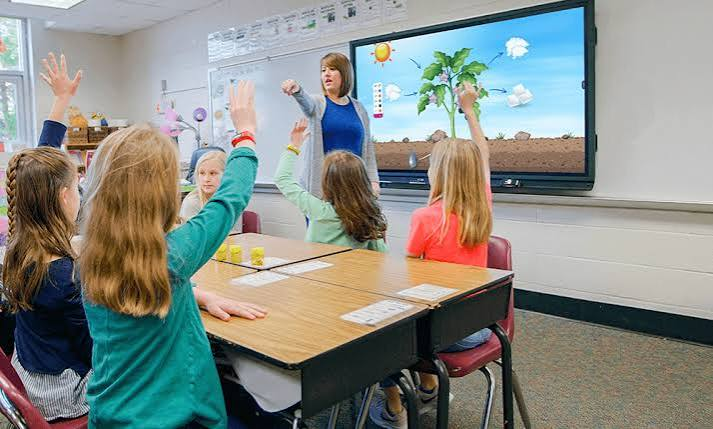
Smart boards, educational games, and multimedia presentations make lessons more interesting and encourage active participation.
2. Easy Access to Information
Students can quickly access digital libraries, research articles, e-books, and educational websites, expanding their knowledge beyond textbooks.
3. Personalized Learning
Educational software adapts to individual learning styles and speeds, allowing students to learn according to their abilities.
4. Improved Collaboration
Online tools enable students to work together on projects, share ideas, and communicate effectively, even from different locations.
5. Better Digital Skills
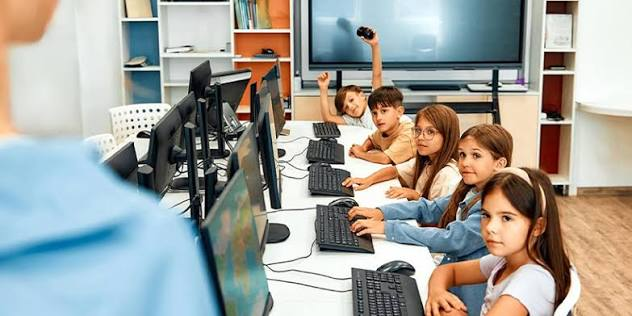
Using technology in classrooms helps students develop essential digital literacy skills required for higher education and future careers.
Challenges of Using Technology
Although technology offers many benefits, it also presents some challenges:
- Internet connectivity issues
- Digital distractions such as social media
- Unequal access to devices
- Cybersecurity and privacy concerns
- Need for teacher training
Schools must ensure responsible use of technology while providing equal opportunities for all students.
The Future of Classroom Learning
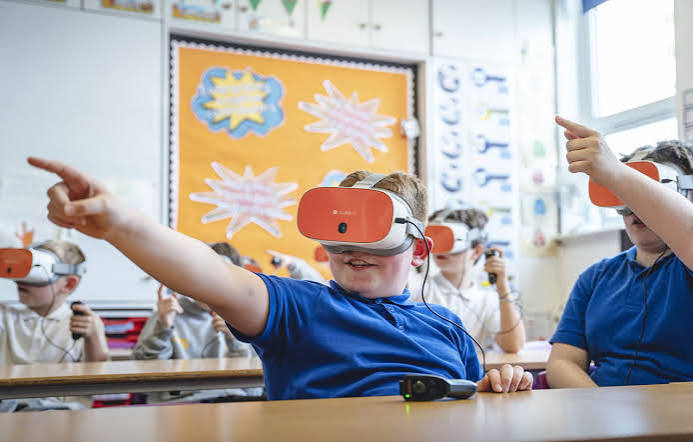
Future classrooms may include artificial intelligence tutors, virtual reality lessons, augmented reality experiences, and personalized learning systems. These innovations will make education more engaging, flexible, and effective.
Conclusion
Technology has become an essential part of modern education. When used wisely, it enhances learning, improves student engagement, and prepares young people for success in a technology-driven world. Schools and educators should continue embracing innovation while maintaining a balanced approach to teaching.