Introduction
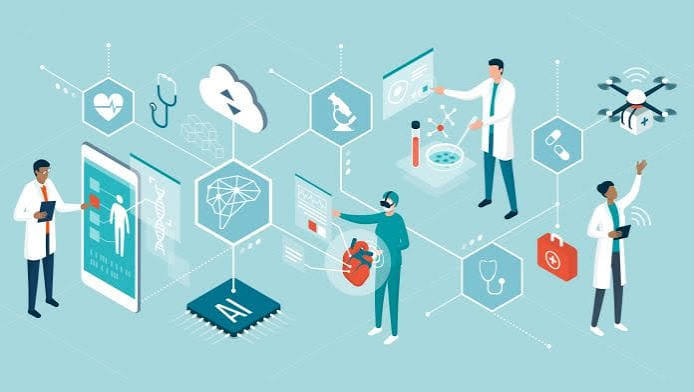
Medical technology has transformed healthcare by making diagnosis, treatment, and patient care faster and more accurate. From robotic surgery to artificial intelligence, modern innovations are improving the quality of life for millions of people. As technology continues to evolve, the future of medicine looks more promising than ever.
What Is Medical Technology?
Medical technology refers to the tools, equipment, software, and scientific methods used to prevent, diagnose, monitor, and treat diseases. It includes medical devices, imaging systems, wearable health monitors, and digital healthcare platforms.
Emerging Technologies in Healthcare
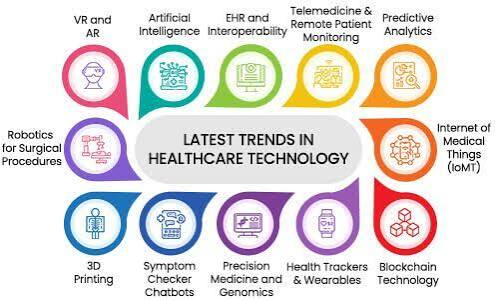
1. Artificial Intelligence
AI helps doctors analyze medical images, detect diseases early, and recommend treatment plans. It improves diagnostic accuracy while reducing the workload on healthcare professionals.
2. Robotic Surgery
Robotic-assisted surgeries allow doctors to perform complex procedures with greater precision, resulting in smaller incisions, less pain, and faster recovery for patients.
3. Telemedicine
Virtual healthcare enables patients to consult doctors through video calls and online platforms. This improves access to medical services, especially in remote areas.
4. Wearable Health Devices
Smartwatches and fitness trackers monitor heart rate, sleep, blood oxygen levels, and physical activity, helping people manage their health more effectively.
5. Personalized Medicine
Advances in genetics allow doctors to develop treatments based on a person’s unique genetic profile, leading to more effective and targeted therapies.
Benefits of Medical Technology
- Early detection of diseases
- Faster and more accurate diagnosis
- Improved patient safety
- Better treatment outcomes
- Reduced healthcare costs over time
- Greater access to healthcare services
Challenges
Despite its many advantages, medical technology faces several challenges:
- High development and equipment costs
- Data privacy and cybersecurity concerns
- Limited access in developing regions
- Need for continuous training of healthcare professionals
- Ethical considerations regarding AI and genetic technologies
The Future of Healthcare
The future may include AI-powered hospitals, smart implants, advanced prosthetics, 3D-printed organs, gene-editing therapies, and continuous remote patient monitoring. These innovations have the potential to make healthcare more personalized, efficient, and accessible worldwide.
Conclusion
Medical technology is revolutionizing healthcare by improving diagnosis, treatment, and patient care. Continued innovation and responsible use of technology will help create healthier communities and provide better medical services for future generations.