Introduction
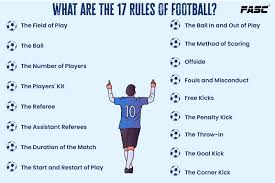
Football has evolved significantly since its early days, and the rules governing the game have changed to improve fairness, safety, and entertainment. While the official Laws of the Game are written and maintained by the International Football Association Board (IFAB), FIFA applies these laws in its international competitions and works closely with IFAB to support their development. Over the years, changes to the rules have made football faster, more transparent, and better suited to the modern game.
The Relationship Between FIFA and IFAB
FIFA organizes international football competitions and promotes the sport worldwide, while IFAB is responsible for approving and updating the Laws of the Game. FIFA is represented on IFAB and contributes to discussions about rule changes based on experience from competitions around the world.
This partnership ensures that football follows a consistent set of rules at every level, from local leagues to the FIFA World Cup.
Early Standardization of the Game
In football’s early years, different regions played with different rules. The creation of standardized laws made the sport more organized and easier to play internationally. As football spread across the world, FIFA helped ensure that these standardized rules were followed in international competitions.
Major Rule Changes Over Time
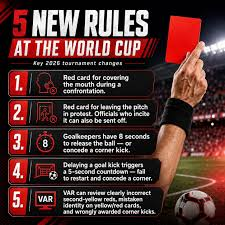
Introduction of Yellow and Red Cards
The introduction of yellow and red cards created a universal system for warning and dismissing players. This made disciplinary decisions clearer for players, officials, and spectators regardless of language.
Changes to the Offside Rule
The offside law has been revised several times to encourage attacking football and reduce confusion. These adjustments have helped create more goal-scoring opportunities while maintaining competitive balance.
Goal-Line Technology
Goal-line technology determines whether the entire ball has crossed the goal line. This innovation provides instant and accurate decisions, eliminating disputes over whether a goal should be awarded.
Video Assistant Referee (VAR)
VAR allows referees to review important incidents using video footage. It is used for:
- Goals.
- Penalty decisions.
- Direct red cards.
- Cases of mistaken identity.
VAR has increased the accuracy of major decisions while supporting on-field officials.
Concussion and Player Safety Measures
Football has introduced stronger safety measures to protect players. Medical assessments, concussion protocols in some competitions, and increased awareness of head injuries reflect the growing importance of player welfare.
Rule Changes That Improved the Game
Several other adjustments have modernized football:
- Clearer handball interpretations.
- Greater protection for goalkeepers in certain situations.
- Improved substitution procedures.
- Better management of added time.
- More consistent disciplinary guidelines.
These changes aim to improve fairness, consistency, and the overall flow of matches.
The Impact of Technology
Technology has transformed refereeing and match analysis. High-speed cameras, communication systems, and performance tracking help officials make better decisions and assist coaches in understanding the game more effectively.
Benefits of Rule Evolution
The continuous improvement of football’s rules has:
- Increased fairness.
- Reduced major officiating errors.
- Improved player safety.
- Enhanced the viewing experience.
- Encouraged attacking football.
- Strengthened confidence in refereeing decisions.
Challenges of Modern Rule Changes
Although many innovations have been welcomed, some challenges remain:
- Different interpretations of certain laws.
- Match interruptions during video reviews.
- The need for continuous referee training.
- Balancing technology with the natural flow of the game.
Football authorities continue to evaluate these issues and refine the application of the rules.
The Future of Football Rules
Future developments may include further improvements in officiating technology, enhanced communication between referees and spectators, smarter semi-automated systems, and continued refinements to player safety regulations. Any future changes will continue to balance fairness, simplicity, and the spirit of the game.
Conclusion
The evolution of football rules has helped transform the sport into a faster, fairer, and more exciting game. Through its collaboration with IFAB, FIFA has supported the adoption of innovations such as goal-line technology and VAR while promoting consistent application of the Laws of the Game across international competitions. As football continues to evolve, carefully considered rule changes will ensure that the sport remains competitive, enjoyable, and accessible for future generations.