Introduction
Volunteering is one of the most meaningful ways to give back to society. It involves offering time, skills, and energy to help others without expecting financial rewards. Whether it is supporting local charities, helping during natural disasters, teaching children, or participating in environmental projects, volunteering creates positive change for both communities and volunteers. It strengthens social bonds, promotes compassion, and contributes to building a better world.
What Is Volunteering?
Volunteering is the act of willingly providing services or assistance for the benefit of others. Volunteers work with non-profit organizations, schools, hospitals, community groups, and environmental organizations to address various social issues. Their contributions often make a significant difference in improving people’s lives.
Benefits of Volunteering
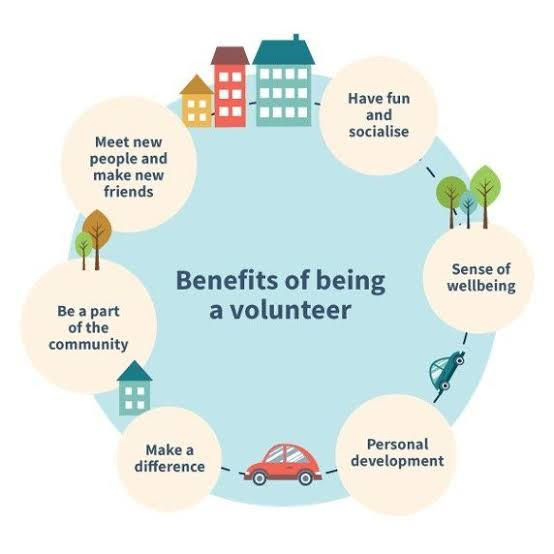
1. Makes a Positive Impact on Society
Volunteers support causes such as education, healthcare, environmental protection, disaster relief, and poverty reduction. Their efforts help improve the quality of life for individuals and communities.
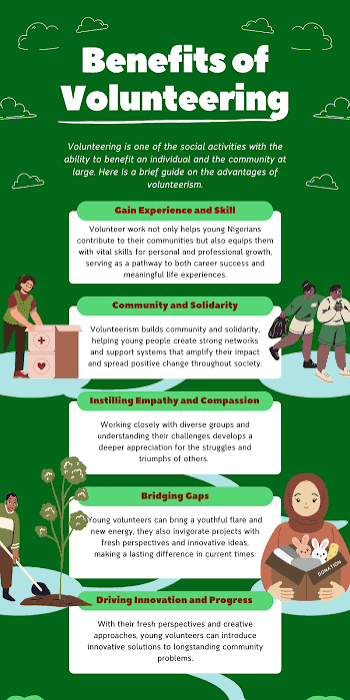
2. Develops Valuable Skills
Volunteering allows individuals to gain practical experience in leadership, communication, teamwork, problem-solving, and time management. These skills are valuable in both personal and professional life.
3. Builds Stronger Communities
When people volunteer together, they develop trust, cooperation, and a sense of belonging. Community members become more connected and work collectively to solve local challenges.
4. Improves Mental and Emotional Well-being
Helping others often creates a sense of purpose and fulfillment. Volunteering can reduce stress, increase happiness, and improve self-confidence by giving individuals the satisfaction of making a difference.
5. Enhances Career Opportunities
Many employers value volunteer experience because it demonstrates commitment, responsibility, leadership, and initiative. Volunteering can strengthen a resume and open doors to new career opportunities.
6. Expands Social Networks
Volunteers meet people from different backgrounds and professions. These connections can lead to lasting friendships, mentorships, and valuable professional relationships.
Types of Volunteering
- Teaching underprivileged children
- Assisting at hospitals and healthcare centers
- Participating in environmental clean-up campaigns
- Supporting disaster relief efforts
- Helping at food banks and shelters
- Mentoring young people
- Assisting senior citizens
- Organizing community events
Challenges Volunteers May Face
Although volunteering is rewarding, it may involve certain challenges, including:
- Limited time due to work or studies
- Emotional stress while helping vulnerable people
- Lack of resources
- Physical demands during community projects
- Balancing volunteer work with personal responsibilities
Despite these challenges, the rewards of volunteering often outweigh the difficulties.
How to Become an Effective Volunteer
- Choose a cause you are passionate about.
- Commit your time consistently.
- Be respectful and compassionate.
- Work well with others.
- Continue learning and improving your skills.
- Stay dedicated even when facing challenges.
Conclusion
Volunteering is a powerful way to create positive change in society while also experiencing personal growth. It develops valuable life skills, strengthens communities, and inspires kindness and compassion. Every act of service, no matter how small, has the potential to make a lasting impact. By volunteering, individuals not only help others but also enrich their own lives and contribute to building a more caring and united world.