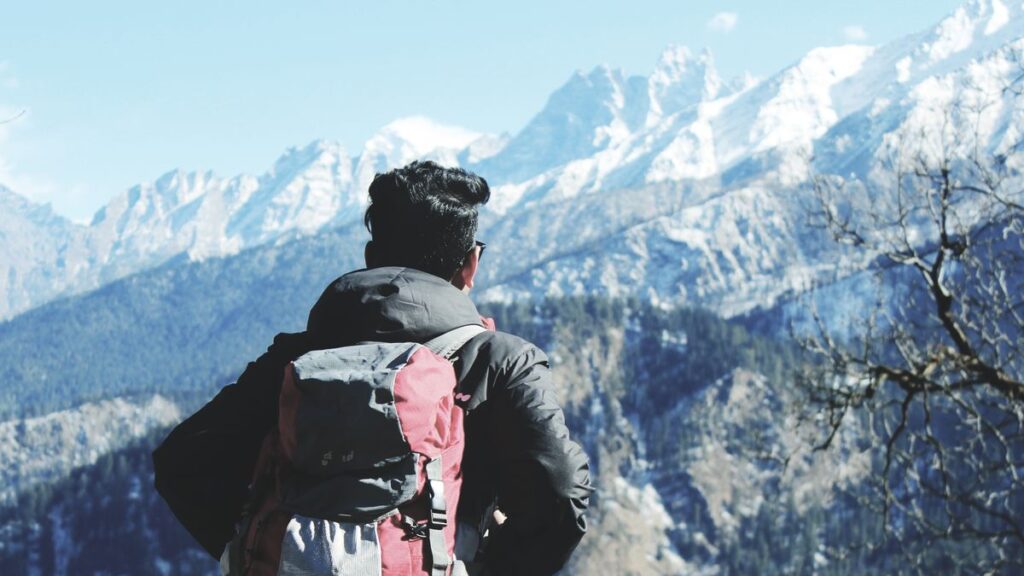
Navigating a city where nobody knows your name and eating dinner at a table for one — solo travel is one of the most confidence-building things a student can do. But without a companion, there is no one to watch your bag, double-check your route, or notice if you do not show up. This guide gives you a practical safety checklist for solo trips.
Before you go: research and share your plan
Most travel problems are skipped homework, not bad luck. Start with official sources: read your government’s country travel advice, then check recent travel forums for ground-level details — unsafe areas, local taxi apps, safe drinking water.
Build a day-by-day plan that is realistic, not packed. Note check-in dates, transport times, and a backup option for each leg. Trouble hits most often when plans collapse at night — a cancelled bus or a “lost” booking — so always know your next safe option before sunset.
Share your itinerary with someone you trust
This is the single most important solo-travel rule. Leave a trusted person with your flight details, accommodation addresses, travel insurance policy number, and a scan of your passport. Agree on a check-in rhythm — a quick message each evening — and decide in advance what they should do if a check-in is missed: wait two hours, call your hostel, then contact the embassy or local emergency services.
Keep live location sharing on with that person during travel days. It is free and simple, and it turns “nobody knows where I am” into “someone always knows.”
Choose accommodation like your safety depends on it
Prioritize places with recent reviews from solo travellers. Look for 24-hour reception, secure key-card entry, lockers or an in-room safe. Read the one-star reviews — they reveal theft and unsafe streets.
On check-in, do a room audit: test the door lock and chain, check windows latch, find the fire exit, and save the address in the local language on your phone. Never announce your room number aloud at reception, and never post real-time location updates — share the photos after you have moved on.
Money and document safety
- Carry only what you need daily: a little cash, one card, your phone.
- Keep bulk cash, backup card, and passport in the hotel safe or a locked bag.
- Store digital copies of passport, visa, insurance, and tickets in your email and a cloud folder.
- Use a money belt or hidden pouch on overnight buses and trains, where theft-while-sleeping is common.
Use ATMs inside banks or malls — never on empty streets at night.
Stay connected and stay aware
Buy a local SIM or eSIM on arrival so you always have data — live maps let you spot when a taxi takes a wrong turn. Carry a power bank daily; a dead phone removes your GPS, contacts, and ability to call for help.
Situational awareness is your best passive defense. Walk with purpose even when uncertain; duck into a café to check directions instead of staring at your phone on the pavement. Keep one earbud out, avoid flashy jewellery, and trust your gut: if a street, driver, or stranger feels wrong, leave. You owe no one politeness at the expense of your safety.
Common scams and how to dodge them
- The closed-hotel trick: “Your hotel is closed — let me take you to my friend’s.” Call the hotel yourself to verify.
- The over-friendly guide: Strangers offering “special tours” at stations usually earn commissions from overpriced shops. Book through your accommodation or a reputable platform.
- Spill or distraction theft: Someone spills something on you while an accomplice picks your pocket. Keep valuables in a zipped cross-body bag.
- Drink spiking: Never leave your drink unattended and never accept drinks from strangers.
Use official transport only: registered ride-hailing apps (Uber, Bolt, Grab), marked taxis from official ranks, or rides arranged by your accommodation.
Health, insurance and your final checklist
Travel insurance is non-negotiable — but do not just buy the cheapest policy. Confirm it covers medical emergencies, evacuation, and your planned activities. Check the exclusions before you buy.
Check vaccination and health advice for your destination at least eight weeks before departure. Pack painkillers, rehydration salts, plasters, and prescription medication. Save the local emergency number — in the EU it is 112.
Your solo-travel safety checklist
- Researched advisories and common scams for the destination
- Itinerary, documents, and insurance shared with a trusted person
- Accommodation with 24-hour reception and good recent reviews
- Money split between safe, daily wallet, and backup card
- Digital copies of all documents in the cloud
- Local SIM, offline maps, power bank, emergency number saved
- Insurance covering medical care and your planned activities
Plan like a pessimist, travel like an optimist — and the world becomes your classroom.
References
- GOV.UK – Solo and Independent Travel – official UK guidance on planning and staying safe
- GOV.UK – Foreign Travel Checklist – insurance, documents and health checks before departure
- Traveller’s Sphere – Solo Travel Safety Tips – day-to-day safety, transport and scams
#SoloTravel #TravelSafety #BudgetTravel #Students #Tips
